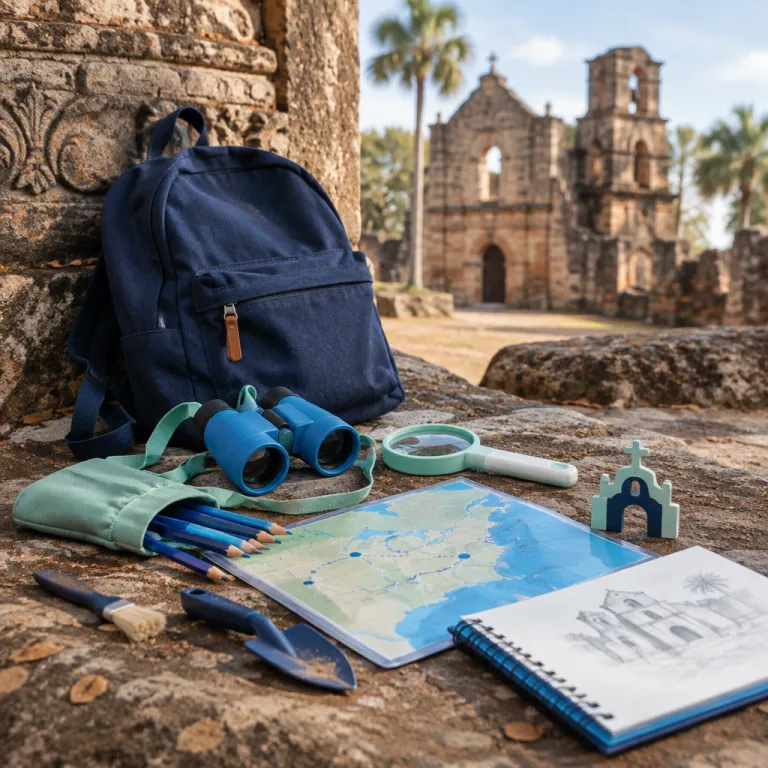
Turning the Jesuit missions in Paraguay into a family story
Families often arrive at the Jesuit missions in Paraguay with children who see only broken stone walls. The art is to frame every mission church and every set of ruins as the stage for a story where the jesuits, the Guaraní people and your own kids all have roles. When you treat each jesuit mission as a chapter in a living book, the jesuit missions Paraguay family experience shifts from dutiful sightseeing to something children remember.
Start with the basics in the car, not at the ticket gate, and explain that the jesuit order sent jesuits from the Spanish world to live with indigenous Guaraní communities and build shared mission churches. Tell them that these guaraní missions were like early small cities, with schools, workshops, bell towers and wide plazas where guarani people and priests from the Society of Jesus worked together. Children respond better when they hear that every mission church once rang its bell tower to call kids their age to music practice or to help shape the stone walls of new buildings.
Place the missions Paraguay story inside a wider South America map, so they understand why these jesuit guaraní reductions mattered between what is now Argentina, Brazil and Paraguay. You can mention that some related missions chiquitos lie further west, while other guarani missions such as São Miguel and San Miguel sit today in the Argentina Brazil borderlands. By the time you reach the first ruins for the day, your jesuit missions Paraguay family visit already feels like a quest to find traces of a lost city rather than a walk through anonymous buildings.
Trinidad: pacing a first day among walls, bells and stories
La Santísima Trinidad del Paraná is the best place in Paraguay to start a jesuit missions Paraguay family itinerary because its mission churches and open plazas are easy to read. Plan around ninety minutes to two hours on site, which gives time for children to climb gently over low stone walls, trace the outline of former buildings and imagine the guarani missions at their busiest. Keep the first circuit short, then loop back to details that catch their eye, rather than forcing a linear lecture on every jesuit mission fact.
At Trinidad, stand in the main church nave and ask your child to look up where the roof once stood, then point to the bell tower and explain how the jesuits used sound to organize each day. From there, walk toward the carved façades and talk about how indigenous artisans blended Guaraní symbols with Spanish religious motifs to create a unique jesuit guaraní style. When you mention that similar mission churches in the wider jesuit province stretched all the way to Buenos Aires and beyond, the scale of these missions in South America starts to feel impressive rather than abstract.
Luxury minded parents often ask how to pair heritage with comfort, and the answer is to base yourselves in Encarnación and use a refined hotel as your calm anchor between mission visits. Our detailed guide to heritage sites and refined stays explains how to match specific jesuit missions with premium properties that understand family needs. When a child knows that a cool pool and a quiet room await after a hot January afternoon among ruins, they tolerate one more story about the Society of Jesus and the guarani people with far more patience.
Jesús de Tavarangüé and the art of timing, light and heat
Jesús de Tavarangüé lies a short drive from Trinidad, and together they form the essential pair for any jesuit missions Paraguay family trip. The Jesús ruins feel more skeletal, with long stone walls and half finished mission churches that let you see the bones of the architecture. Children often enjoy Jesús more because they can clearly imagine how the jesuit mission buildings might have looked once completed.
Heat is your main enemy here, especially in the height of the Paraguayan summer around January, so plan Jesús either early in the day or toward late afternoon. The low sun throws dramatic shadows across the ruins and picks out details in the church arches, which helps you turn a simple walk into a game of spotting carved faces, animals and symbols from both Spanish and Guaraní traditions. For families staying in Encarnación, our dedicated Encarnación river beaches and Jesuit ruins guide shows how to time a morning at the missions and an afternoon on the Paraná river sand so the day never feels like too much.
Light also matters for photography, and older children often engage more when they are in charge of the camera and asked to document the jesuit missions as if they were on assignment in South America. Encourage them to frame the bell tower against the sky, capture the thickness of the stone walls and compare Jesús with Trinidad and with photos of missions chiquitos or São Miguel in Argentina Brazil border regions. By the time you return to your hotel in Paraguay, you will have a shared visual record that turns abstract guarani missions into a personal family album.
Making missions interactive: guides, sound, light and Encarnación bases
The difference between a bored child and an engaged one at a jesuit mission often comes down to the guide you choose. Look for local guides in Paraguay who work regularly with families and who can explain the jesuit province and Society of Jesus in simple language, using questions and small challenges rather than dates. A good guide will ask children to clap under the church arches to hear the echo, to count columns, or to imagine the sound of mission churches filled with Guaraní music.
Some evenings, especially in high season, sound and light shows at Trinidad or Jesús project images onto the ruins and use music to tell the jesuit guaraní story. These shows can transform static buildings into living scenes, helping children connect the guarani people, the jesuits and the Spanish colonial world in a way that daytime visits sometimes fail to achieve. Check schedules with your Encarnación hotel concierge, who will usually know which day offers the best combination of weather, crowd levels and transport options for a jesuit missions Paraguay family outing.
For your base, choose a premium property in Encarnación that understands both heritage travelers and children, with shaded pools, flexible meal times and staff who can arrange private transfers to the missions Paraguay sites. Our region by region luxury hotel guide to Paraguay explains what your money actually buys in each area, from riverfront suites to quieter inland retreats. When the hotel pool is not just a pool but the place where your host shares tereré under a lapacho tree at noon, your child starts to associate the jesuit missions with a wider sense of Paraguayan hospitality rather than only with old ruins.
Balancing ruins with river beaches, ages and attention spans
Even the most atmospheric jesuit missions in Paraguay will test a ten year old’s patience if you stack too many ruins into one day. Aim for a simple structure for your jesuit missions Paraguay family trip : one mission complex in the cooler morning, a long lunch break and then river beach time or hotel downtime. This rhythm respects the heat, the emotional load of new information and the reality that younger children need unstructured play after structured heritage.
Encarnación’s riverfront offers wide sandy stretches where children can swim under supervision, build sandcastles and watch the lights of Argentina across the Paraná, which helps them place the guarani missions within a real South America landscape. As you sit on the shore, you can point out that other jesuit mission sites such as San Ignacio, San Miguel or São Miguel now lie in Argentina Brazil borderlands, all once part of the same jesuit province. These quiet conversations, away from church walls and ruins, often cement the story of the jesuit order, the Society of Jesus and the guarani people more effectively than any plaque.
For younger children, keep explanations short and sensory, focusing on bells, music and animals, while older ones can handle more about indigenous rights, reductions and the tensions between Spanish colonial authorities and the missions guaraní communities. If your family becomes deeply interested, you might later extend the journey to see missions chiquitos in Bolivia or related churches near Buenos Aires, but there is no need to rush that step. What matters is that your child leaves Paraguay feeling that each jesuit mission was a place where real children once lived, learned and played, not just another set of anonymous stone walls.
FAQ
How much time should a family spend at Trinidad and Jesús ?
Most families do well with around ninety minutes at Trinidad and about an hour at Jesús, with a clear break between the two. This allows time to explore the main church, the bell tower area and the surrounding buildings without rushing children. If you travel in the hotter months such as January, consider splitting the visits across two half days.
Is a jesuit missions Paraguay family trip suitable for younger children ?
Children from about six years old usually engage well if you keep explanations simple and interactive. Focus on stories about Guaraní children, music, animals and daily life in the missions rather than on dates. For toddlers, plan shorter visits, plenty of shade and a quick exit back to your Encarnación hotel if the heat or attention span becomes an issue.
Where should we stay to visit the Jesuit missions in Paraguay in comfort ?
Encarnación is the most practical and comfortable base for visiting Trinidad and Jesús, with a growing range of premium hotels that cater to families. Choose properties with pools, river views and flexible dining, so children can rest properly between heritage excursions. A good concierge can arrange private drivers, guides and timing that suits your family rhythm.
How can we make the history of the jesuit missions engaging for older kids ?
Give older children a role, such as photographer, map reader or note taker, and ask them to compare different mission churches and ruins. Encourage them to think about how the jesuits and Guaraní communities organized daily life, from music to agriculture. Linking the missions to wider South America, including sites in Argentina Brazil border regions, helps them see the bigger picture.
What should we pack for a family day at the missions in Paraguay ?
Bring light clothing, hats, sunscreen and plenty of water, as shade can be limited around the open plazas and stone walls. Comfortable closed shoes help with uneven ground around the ruins and church areas. A small notebook or sketchpad can also keep children engaged as they draw buildings, bells or imagined scenes from mission life.