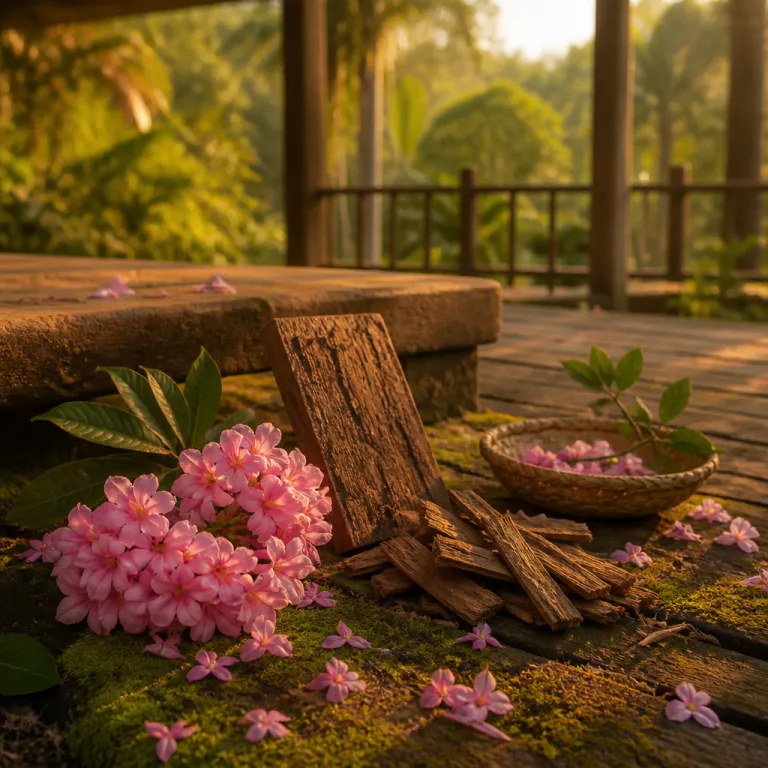
Why lapacho bloom Paraguay should shape your travel dates
Lapacho bloom Paraguay is not a simple backdrop; it is the short winter season that quietly defines the country’s most romantic weeks. Between late July and September, when the lapacho tree sheds its leaves and erupts into pink flowering clouds, streets and estancias across Paraguay feel curated for couples who prefer nature to neon. According to Paraguay’s national tourism office (SENATUR), the most reliable flowering window runs from late July through August in the Central Department, then shifts gradually toward Cordillera in early September, which is why locals summarise it in one line that matters for your calendar: “When do lapachos bloom? Between July and September.”
Across Paraguay, the national tree known as tajy or lapacho (Handroanthus impetiginosus in its scientific form) stands up to 20 meters high, and in full bloom it turns entire avenues into tunnels of colour. In Asunción, you see this most clearly along Avenida Mariscal López, around Plaza Uruguaya and in the residential streets of Villa Morra, where mature trees arch over the pavements. The lapacho flowers arrive on bare branches, so each tree becomes a pure silhouette of pink, yellow or occasionally white against the dry winter sky, which makes the pink season unusually photogenic. Paraguay’s tourism board often answers a frequent question with a simple phrase: “Where to see lapachos in Paraguay? Throughout the country, especially in Asunción and the Cordillera hills.”
For a couple planning a premium stay, this flowering lapacho window changes how you choose hotels, how long you linger and even which room category you request. Cool, dry mornings and warm afternoons from August into early September mean you can walk under lapacho trees without the heavy humidity of later October or January, then return to a shaded terrace for tereré. Think of the national tree as your seasonal compass; when tajy trees full of colour line a street or garden, you know you have arrived at Paraguay’s most intimate time of year, and it becomes worth paying for rooms that face inner courtyards or tree lined avenues rather than just the skyline.
Where lapachos stage their best show : from Asunción to Cordillera
Asunción is the most convenient stage for the lapacho bloom Paraguay spectacle, and it rewards travelers who choose hotels with real trees rather than just skyline views. In the capital, the ornamental tree that locals call tajy lapacho frames plazas, embassies and residential streets, so a morning walk can feel like a private viewing of the national tree in full bloom. For an urban retreat with easy access to flowering avenues, consider staying in neighbourhoods such as Carmelitas, Villa Morra or Recoleta, where pink crowns often hang over café terraces and small parks, then time your outings for the soft light just after sunrise or the golden hour before sunset.
Beyond the capital, the Cordillera region around Areguá and San Bernardino offers some of the most atmospheric lapacho trees in Paraguay, especially where pink lapachos lean over cobbled streets and lakefront promenades. In Areguá, the streets climbing from the lakeshore toward the historic centre often form natural corridors of colour, while the road that skirts Lake Ypacaraí between San Bernardino and Ypacaraí town is lined with mature tajy specimens. Here, lapacho trees and other tabebuia relatives form corridors of pink flowering crowns, while yellow tajy lapacho specimens punctuate the hillsides like lanterns. A carefully chosen estancia or country hotel lets you wake to lapachos full of colour outside your window, then wander through nature trails where each tree lapacho stands alone against the blue sky.
Couples who prefer quiet should look at properties with pools and gardens that sit slightly outside town, where lapacho Paraguay landscapes feel more private and the only sound is birds in the trees. When researching, ask directly whether the grounds include mature tajy trees and if any rooms overlook them, because some estancias near Caacupé and the back roads between Areguá and Itauguá keep small groves specifically for shade and seasonal colour. Our feature on Paraguay’s quiet resorts with gardens and nowhere to rush highlights stays where lapacho trees and other ornamental tree species anchor the grounds. In these places, the pink season becomes part of your daily rhythm: breakfast under a flowering lapacho, a siesta in the shade of a tree Paraguay locals revere as a national symbol, and sunset drinks framed by pink crowns reflected in the pool.
Designing a slow, two week itinerary around the pink season
Because lapacho bloom Paraguay timing shifts slightly by region, the smartest strategy for couples is to plan a flexible two to three week itinerary that follows the flowering wave. Start in Asunción, where lapacho trees in parks and avenues usually reach full bloom earlier, then move into the Cordillera hills as the season deepens. By allowing a few days of margin on either side of your target dates, you give yourself room to catch tajy trees full of colour even if the weather nudges the bloom forward or back, and you can adjust your nights between city hotels and estancias based on what concierges and local drivers are seeing that week.
A refined route might begin with three nights in a capital hotel with a lapacho shaded courtyard, then four or five nights in an estancia near Areguá or Ypacaraí, followed by a quieter stay deeper in the countryside. Along the way, ask concierges where the most photogenic lapacho trees are that week, because each flowering cluster can peak on a slightly different day. When you drive between regions, stop at roadside grills or regional restaurants; our guide to food outside the capital and hotel restaurants worth a detour pairs beautifully with a day spent chasing pink flowering avenues, especially around the weekend when many Asunción residents drive out toward San Bernardino and Caacupé.
Seasonality matters beyond the trees themselves, because July, August and early September bring cool, dry air that flatters both nature and travelers. Typical daytime highs in Asunción hover between 20°C and 26°C, with crisp evenings that invite shawls rather than air conditioning, so you can walk several kilometres under lapacho trees without overheating, then retreat to a terrace where the inner bark scent of freshly cut wood from Handroanthus impetiginosus mixes with coffee or wine. Ethnobotanical studies and traditional herbal practice in Paraguay describe tajy bark infusions as part of folk medicine, although modern health authorities advise using them cautiously and mainly under professional guidance. By the time October and January bring heavier heat, the lapacho flowers have usually fallen, so couples seeking romance should treat the pink season as the premium window for both climate and colour.
Choosing luxury stays that honour Paraguay’s national tree
Not every luxury property in Paraguay is equal when it comes to the lapacho bloom Paraguay experience, so you should prioritise hotels that treat the tajy lapacho as more than decoration. Look for descriptions that mention lapacho trees in gardens, courtyards or along access drives, because a single lapacho tree in full bloom can transform your morning coffee into a private event. When a hotelier points out their favourite tree Paraguay guests gather under for tereré at noon, you know the national tree is woven into the stay rather than just planted at the gate, and you can plan your days around those shaded corners instead of the lobby bar.
Ask specific questions before you book, such as whether rooms overlook lapacho flowers or whether pink lapachos line the pool terrace, and request those views early in the season. Properties that understand the value of lapachos tajy often schedule seasonal menus, spa rituals or photography walks around the bloom, turning a natural phenomenon into a curated experience. Some even explain how the inner bark of Paraguay lapacho has been used traditionally in herbal infusions, citing local herbalists or university studies that document its role in folk remedies, which adds cultural context while you sit beneath an ornamental tree that now serves mainly to frame the sky and soften the architecture.
For couples, the most memorable moments often happen away from formal activities, when you find yourselves alone under lapacho trees as petals fall like slow snow. In those pauses, the winter flowering season feels less like a spectacle and more like a quiet ritual that repeats every year across the country, from Asunción’s avenues to remote estancias. Choose hotels that give you direct access to that nature, and the national tree of Paraguay will become the silent host of your stay rather than just a pretty subject in your photos, especially if you allow time for unplanned walks at dawn or just after an afternoon breeze has shaken the branches.
FAQ
When is the best time to see lapachos in full bloom in Paraguay ?
The most reliable period to see lapacho bloom Paraguay at its peak runs from late July through September, when the national tree sheds its leaves and produces dense crowns of pink or yellow flowers. SENATUR and local phenology observations indicate that Central Department, including Asunción, often peaks in August, while higher areas of Cordillera can reach maximum colour in early September. Blooming can start slightly earlier in some regions and later in others, so a flexible itinerary of at least ten days increases your chances of seeing lapacho trees in full bloom. Couples who want the most intense colour should generally aim for August, when tajy trees full of flowers are common in Asunción and the surrounding Cordillera.
Where are the best places to stay for lapacho viewing in Asunción ?
In Asunción, choose hotels in leafy neighbourhoods or near major avenues where lapacho trees line the streets and parks. Areas such as Villa Morra, Carmelitas and Recoleta combine premium hotels with easy access to tree lined sidewalks, while properties near Plaza Uruguaya or the Costanera enjoy views toward riverfront promenades dotted with tajy. Properties with gardens, terraces or lapacho shaded courtyards allow you to enjoy the flowering spectacle without leaving the grounds, especially at sunrise and sunset. For an urban experience that still connects you to nature, look for premium hotels that highlight views of pink lapachos or other ornamental tree species in their room descriptions.
How long does the lapacho flowering season last across Paraguay ?
The lapacho flowering season in Paraguay typically spans around three months, from early July to the end of September, although exact dates vary by region and yearly climate patterns. Individual lapacho trees may only stay in full bloom for one to two weeks, which is why travelers often plan a two to three week trip to catch different trees at their peak. Because the bloom can shift by a week or two, it is wise to build some flexibility into your hotel bookings and be ready to adjust day trips based on local advice from concierges, taxi drivers or guides who see the trees every day.
Is it worth visiting Paraguay outside the lapacho season for nature experiences ?
Paraguay remains rewarding for nature focused travel outside the lapacho bloom Paraguay window, with birdwatching in the Chaco, river excursions and jacaranda season in spring. The jacarandas, which flower later with violet blossoms, create a different but equally photogenic atmosphere along avenues in Asunción and Encarnación. However, couples seeking a romantic, visually striking landscape will find the lapacho trees in winter particularly special, because the flowers appear on bare branches and create a unique contrast against the dry sky. If your dates are flexible and you value atmospheric scenery as much as hotel comfort, timing your stay for the national tree’s flowering period offers a distinctly elevated experience.
What should couples pack for a lapacho focused trip in Paraguay ?
For a lapacho centred itinerary between July and September, pack light layers for cool mornings and warm afternoons, along with comfortable walking shoes for exploring tree lined streets and estancia trails. A camera or smartphone with good low light performance is useful, because pink flowering lapachos photograph beautifully at dawn and dusk, especially when framed against colonial façades in Areguá or the riverfront in Asunción. Sunscreen, a hat and a reusable water bottle will keep you comfortable while you spend long hours outdoors under Paraguay’s national tree, whether in Asunción or the countryside, and a small travel blanket or shawl makes it easier to linger on benches or stone walls while you wait for the best light.