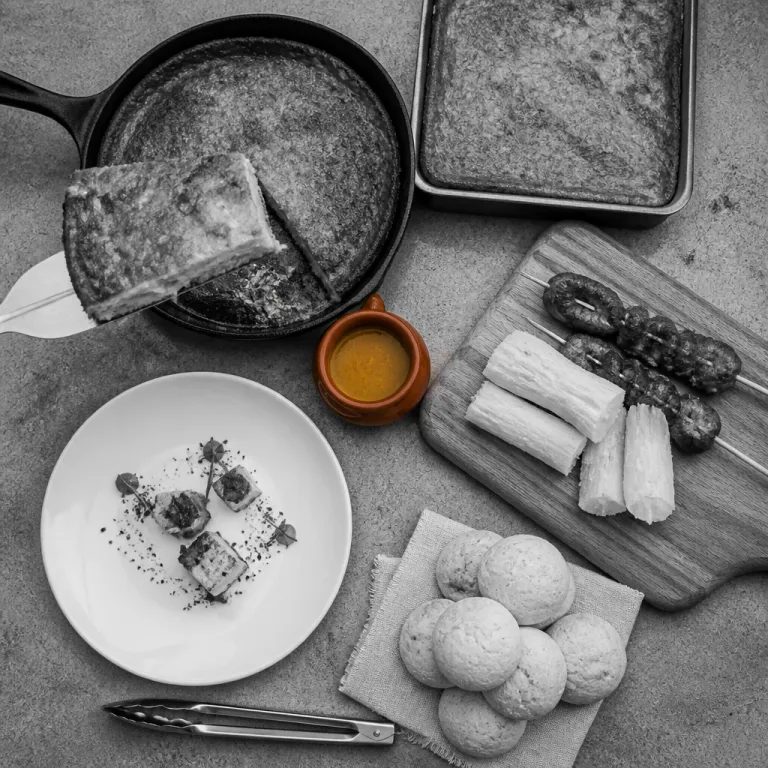
Paraguayan food outside Asunción: where luxury travelers should start
Paraguayan food outside Asunción rewards travelers who leave the capital. Once you step beyond the polished restaurants of Villa Morra in Asunción, regional kitchens across Paraguay begin to reveal a very different rhythm of eating and a deeper expression of Paraguayan cuisine. For guests using a luxury and premium hotel booking website to plan a trip, understanding these regional dishes and where to stay near them turns every meal into part of the journey.
In Paraguay, guaraní food traditions shape how people cook with corn, milk and meat. You will taste this in humble roadside grills, in refined hotel restaurants and in family run spots where sopa paraguaya, chipa and chipa guasu appear in both singular and generous plural forms on every table. The best itineraries are based on food first, then layered with estancias, riverfront resorts and Chaco lodges that understand how to serve authentic Paraguayan foods with discreet, south American style service.
Start by thinking of Paraguayan cuisine as a triangle between Asunción, the Paraná river towns and the Chaco. In the capital, especially around Villa Morra, you will find contemporary takes on traditional dishes, often with plant based or vegan Paraguayan options for younger travelers. Outside Asunción, the same cuisine leans more rustic, with queso Paraguay, cheese milk sauces, mandioca starch breads and corn flour cakes anchoring menus in both simple restaurant dining rooms and high end hotel kitchens.
Luxury travelers from the United States often arrive with reference points from south American neighbors. They quickly learn that in Paraguay, the drink of choice is tereré, the cold sibling of mate hot, prepared with yerba mate and sometimes infused with medicinal herbs. On long drives, you will see families sharing mate tereré from thermos and guampa, while in cooler evenings a mate hot infusion appears beside hearty soup bowls and grilled meat platters.
When planning where to stay, look for properties that treat food as a core part of the experience. On curated summer hotel shortlists, prioritize addresses that highlight guaraní food, seasonal Paraguayan foods and regional drinks like tereré in their descriptions. This is where a premium booking platform focused on Paraguay becomes invaluable, because it filters for hotels whose kitchens respect traditional recipes while still offering vegan and plant based alternatives.
Encarnación and the Paraná corridor: river fish, markets and resort kitchens
Head south from Asunción and the food begins to taste of the river. Encarnación, set along the Paraná, is where Paraguayan food outside Asunción leans toward grilled fish, riverfront tereré breaks and long lunches in hotel restaurants that understand both leisure and precision. For travelers booking premium stays, this corridor offers a rare mix of resort comfort and access to everyday Paraguayan cuisine in nearby mercados.
Encarnación’s markets are ideal places to see guaraní food traditions in motion. The municipal mercado on Avenida Caballero, for instance, wakes up before sunrise as vendors unload crates of corn, mandioca starch, corn flour and queso Paraguay, alongside medicinal herbs used to perfume yerba mate for tereré and mate hot. You will find chipa in woven baskets, chipa guasu cut into thick squares and sopa paraguaya stacked beside other traditional dishes, all ready to be taken back to your hotel or enjoyed at a simple restaurant counter.
Hotel kitchens along the Paraná often build menus based on what arrives from the river that morning. At riverfront properties near the Costanera, chefs talk about “cocina de río” and plan around grilled surubí or dorado paired with corn based sides, cheese milk sauces and salads that keep things light in the humid south American summer. In winter, menus lean into soup, poha ñana inspired herbal infusions and richer meat dishes that still respect the balance of Paraguayan cuisine rather than overwhelming it.
For guests who prefer vegan or plant based eating, this region is more flexible than it first appears. Many hotel restaurants now offer vegan Paraguayan interpretations of classics, using corn flour, mandioca starch and local vegetables instead of meat or cheese, while still referencing guaraní food roots. Ask for plant based versions of chipa or chipa guasu, and you may be surprised by how naturally they fit into the broader spectrum of Paraguayan foods.
Outside the city center, roadside parrillas line the highway between Asunción and Encarnación. To read them, borrow a trick from American roadside culture, where experts note that “How can I find authentic roadside grills? Research local food blogs, travel guides, and seek recommendations from locals.” In Paraguay, the same rule applies, but your best indicators are smoke, a steady flow of families and a short menu focused on meat, sopa paraguaya and perhaps one daily soup.
If your trip south coincides with the dry season, consider pairing Encarnación with a wildlife focused detour. A dry season wildlife guide will outline where to find jaguars and toucans, and many of those lodges now treat food as seriously as game drives. You can move from a riverfront resort breakfast of mate tereré and fresh fruit to a dinner in the interior where Paraguayan cuisine is reinterpreted with tasting menus and carefully paired south American wines.
Chaco parrillas and Mennonite dairy: meat, cheese and hotel grills
Cross the Río Paraguay into the Chaco and the landscape, and the food, shift dramatically. This is cattle country, where Paraguayan food outside Asunción becomes unapologetically based on meat, smoke and the quiet efficiency of Mennonite dairy culture. For luxury travelers, the key is choosing estancias and lodges whose grills and kitchens match the quality of their wildlife access and rooms.
Roadside parrillas in the Chaco are the purest expression of south American grill culture in Paraguay. Many have no sign, just hanging cuts of meat, a wood pile and a few tables where sopa paraguaya, chipa and simple salad accompany beef that needs no embellishment. When you see locals queuing, you know the restaurant has mastered both the slow cook and the balance between meat, corn based sides and a cold drink of tereré or another non alcoholic option.
The Mennonite colonies add another layer to Chaco eating, especially for guests curious about cheese and milk based dishes. In Filadelfia and Loma Plata, for example, queso Paraguay and other cheeses appear in both traditional recipes and German influenced plates, from cheese milk sauces over potatoes to pastries that sit comfortably alongside chipa guasu and other Paraguayan foods. Many colony guesthouses and small hotels serve breakfast buffets where you can taste this intersection of Paraguayan cuisine and European technique in both singular bites and generous plural tastings.
Luxury estancias in the Chaco often organize asado nights around their own parrillas. Under the stars, you might start with a light soup, move into grilled meat and finish with corn flour desserts, all while sipping mate hot as the temperature drops. For those who prefer vegan or plant based options, advance communication is essential, but more properties now understand how to build vegan Paraguayan plates using mandioca starch, seasonal vegetables and guaraní food seasonings.
When selecting where to stay, look for properties that highlight their grill and kitchen as much as their wildlife or horseback activities. A guide to luxury estancias beyond the capital will focus on ranches where the parrilla is central to the guest experience. These are places where tereré is shared under lapacho trees at noon, mate tereré cools long afternoons and the evening drink might shift to a south American wine beside the coals.
For travelers from the United States, the Chaco’s meat culture can feel familiar yet distinct. While American experts celebrate whole hog or pit beef, here the emphasis is on beef cuts, slow grilling and accompaniments like sopa paraguaya, chipa and simple salads that keep the focus on the meat. This is Paraguayan food outside Asunción at its most elemental, and the right hotel booking choice ensures you experience it with comfort rather than compromise.
Eastern border towns: Brazilian influence, hotel dining rooms and late night tereré
Turn east from Asunción toward Ciudad del Este and the border towns, and another flavor profile emerges. This is where Paraguayan food outside Asunción absorbs Brazilian and broader south American influences, especially in the way meat is cut, seasoned and served in rodizio style restaurants. For travelers booking premium hotels, the reward is access to both cross border cuisine and quieter hotel dining rooms that refine local dishes.
In Ciudad del Este and nearby towns, you will find churrascarías where skewers of meat circulate endlessly. These restaurants often pair Brazilian cuts with Paraguayan sides like chipa, chipa guasu, sopa paraguaya and salads based on corn, beans and seasonal vegetables. Many hotel restaurants in this region adopt a similar approach, offering buffets where guaraní food sits beside Brazilian stews, giving guests a broad view of Paraguayan cuisine in both singular plates and shared platters.
Markets here are more chaotic than in Encarnación, but they are excellent for tasting street level Paraguayan foods. Around the main commercial district, look for stalls selling fresh fruit, corn flour pastries, mandioca starch breads and cups of tereré flavored with medicinal herbs, all prepared with yerba mate that locals know by brand and origin. Between shopping runs, you can sit with a drink, watch the flow of cross border trade and understand how food in Paraguay is constantly shaped by its neighbors.
Hotel bars and lounges in the eastern region are also worth attention. Many now serve both mate hot and cold mate tereré infusions, sometimes pairing them with cheese plates built around queso Paraguay and other local cheeses. For vegan and plant based travelers, these lounges often provide the most flexible menus, with snacks based on corn, vegetables and nuts rather than meat or cheese milk heavy dishes.
Because this region attracts business travelers from the United States and across south America, service standards in top hotels are polished. Staff understand how to explain Paraguayan cuisine to first time visitors, recommend traditional dishes and suggest where to find more rustic restaurants outside the hotel if you want a deeper experience. When you use a specialized Paraguay hotel booking website, filter for properties that mention food explicitly, as these are more likely to have kitchens that care about both authenticity and dietary flexibility.
Even if you are not staying overnight, some hotel restaurants in Ciudad del Este are worth a deliberate detour. They offer calm dining rooms, well trained teams and menus that move confidently between guaraní food, Brazilian classics and lighter, vegan Paraguayan options. This is Paraguayan food outside Asunción in a cosmopolitan key, still grounded in yerba mate, corn and mandioca starch, but framed for an international audience.
Mercados, roadside grills and how to order like a local
Beyond specific regions, the real education in Paraguayan food outside Asunción happens in mercados and at roadside grills. These are the places where guaraní food traditions, Spanish influences and modern habits meet over corn, meat, milk and yerba mate. For luxury travelers, the goal is not to trade comfort for authenticity, but to use a well chosen hotel as a base and then eat out where locals actually gather.
In town markets across Paraguay, start your day with a simple breakfast. Order a coffee or a non alcoholic drink, then add chipa, chipa guasu or a slice of sopa paraguaya, all made from corn flour, cheese milk and sometimes mandioca starch. You will see vendors selling bundles of medicinal herbs for tereré, explaining which leaves cool the body, which calm the stomach and how to balance them with the bitterness of yerba mate.
At lunch, look for small restaurants inside or just outside the mercado. Menus are usually based on a short list of traditional dishes, perhaps a soup of the day, a meat stew and a grilled option, all served with rice, salad or corn based sides. If you are vegan or plant based, ask for plates built around vegetables, rice and salads, and mention that you prefer vegan Paraguayan food without cheese or meat, as many kitchens are happy to adapt.
On the road between cities, parrillas become your best ally. The most reliable ones resemble the great roadside grills of the United States, where, as one expert notes, “Are hotel restaurants worth visiting? Many hotel restaurants offer unique dining experiences and showcase regional specialties.” In Paraguay, some of the best roadside spots are attached to small hotels or estancias, turning a quick stop into a full meal that rivals any destination restaurant.
When you approach a parrilla, check the grill first. Freshly cooked meat, a steady turnover and a short menu are good signs, as are trays of chipa, sopa paraguaya and perhaps a daily soup that changes with the season. Order a mix of cuts, add a side of corn based dishes and, if you drink it, a cold beer or a glass of juice, while locals around you share tereré or mate hot depending on the weather.
Etiquette is straightforward but worth respecting. Greet staff, ask what is fresh, and if you are unsure, say you want to try typical Paraguayan foods and let them guide you. In markets and grills alike, you will find that a few words of Spanish, curiosity about guaraní food and a willingness to taste both singular specialties and shared platters open doors far faster than any guidebook.
Hotel restaurants worth a detour: where to book for serious eating
Not every memorable meal in Paraguay happens in a market or roadside grill. Some of the most refined expressions of Paraguayan food outside Asunción are found in hotel restaurants that have quietly become regional dining destinations. For travelers using a luxury and premium hotel booking website, these properties are the ones to prioritize, even if you are only passing through for a single night.
In secondary cities, look for hotels where the chef has a clear point of view on Paraguayan cuisine. Menus should highlight guaraní food roots, using corn, mandioca starch, queso Paraguay and local meat in both traditional dishes and contemporary plates. A serious kitchen will also offer vegan and plant based interpretations, perhaps a vegan Paraguayan tasting menu that reimagines chipa, chipa guasu and sopa paraguaya without cheese or milk but with the same depth of flavor.
Breakfast is often where hotel restaurants quietly excel. A well curated buffet might include fresh fruit, house baked chipa, corn flour cakes, cheese milk spreads and a station for mate hot or coffee, with staff ready to explain the difference between mate and tereré. In properties that take Paraguayan foods seriously, you will also see medicinal herbs beside the yerba mate, allowing guests to build their own mate tereré blends as locals do.
Dinner service in these hotels can rival top restaurants in larger south American cities. Expect tasting menus based on seasonal ingredients, where a light soup might open the meal, followed by meat or fish courses, then desserts built on corn, milk and local fruit. For guests from the United States, this is often the moment when Paraguay stops feeling like an overlooked destination and starts reading as a country with a confident, regionally based cuisine.
When evaluating hotel options online, read menus as closely as you read room descriptions. Properties that mention guaraní food, Paraguayan cuisine, vegan Paraguayan options or plant based dishes are signaling that their kitchens are part of the experience, not an afterthought. These are the hotels where you can arrive late, skip the search for an outside restaurant and still eat a meal that reflects the best of Paraguayan food outside Asunción.
Finally, remember that in Paraguay, hospitality often extends beyond the plate. A manager might offer you a drink of tereré on arrival, explain the local medicinal herbs or share a family recipe for sopa paraguaya while you check in. Choosing hotels that value this kind of cultural exchange turns every stay into a layered experience, where sleep, food and conversation are all part of the same carefully curated journey.
Seasonal eating, drinks and how to build a food focused itinerary
Planning a trip around Paraguayan food outside Asunción means paying attention to the calendar. Seasons shape what appears in markets, how people drink yerba mate and which dishes feel right at different times of year. A thoughtful itinerary, built with the help of a specialized Paraguay hotel booking website, will align your stays with the foods you most want to taste.
In the cooler months, kitchens across Paraguay lean into warmth. You will find more soup on menus, from light broths to thicker stews, alongside grilled meat, baked chipa and generous slices of sopa paraguaya that pair beautifully with mate hot. Hotel fireplaces, especially in estancias and Chaco lodges, become natural gathering points where guests share stories over Paraguayan foods and hot drinks.
Summer shifts the focus toward freshness and hydration. Tereré, the cold infusion of yerba mate with medicinal herbs, becomes the national soundtrack, sipped from thermos and guampa in hotel gardens, by pools and at roadside stops. Lighter dishes based on corn, salads, grilled fish and fruit dominate, and many hotel restaurants respond with menus that feel naturally plant based, even when meat and cheese remain present.
For vegan and plant based travelers, this seasonal rhythm is an advantage. In warmer months, it is easier to find vegan Paraguayan plates built around vegetables, corn flour, mandioca starch and beans, especially in hotels that already highlight guaraní food traditions. In cooler weather, you may need to request adaptations, but serious kitchens are increasingly comfortable preparing plant based versions of traditional dishes without sacrificing flavor.
When building your route, think in arcs rather than isolated stops. You might start in Asunción’s Villa Morra district for a polished take on Paraguayan cuisine, then move to Encarnación for river fish and markets, continue to a Chaco estancia for meat based parrillas and finish in the eastern border towns for Brazilian influenced restaurants. At each stage, choose hotels whose restaurants are strong enough to anchor at least one major meal per day.
Throughout the journey, let drinks mark your transitions. Morning might begin with coffee and a small chipa, midday with tereré flavored by local medicinal herbs, and evening with mate hot or a glass of south American wine beside a final plate of chipa guasu or queso Paraguay. In this way, Paraguayan food outside Asunción becomes not just something you taste, but the structure around which your entire trip quietly organizes itself.
Key figures for regional food and travel
- The United States restaurant industry generated an estimated 855 billion USD in annual sales in 2023, according to the National Restaurant Association, illustrating how food spending shapes travel decisions and underlining why hotel restaurants in Paraguay now compete seriously for culinary focused guests.
- Food historians in the United States often reference dozens of distinct regional barbecue traditions, a useful comparison when explaining to travelers how Paraguay also contains multiple regional parrilla styles between the Chaco, the Paraná corridor and the eastern border.
- Year round exploration of regional cuisines, from roadside grills to hotel kitchens, has become a core driver of culinary tourism, and Paraguay is beginning to benefit from this trend as more travelers seek Paraguayan foods beyond Asunción.
- Continuous documentation of regional dishes and notable roadside grills, supported by local recommendations and travel guides, increases awareness of Paraguayan cuisine and encourages visitors to book hotels specifically for their kitchens.
FAQ about Paraguayan food outside Asunción
What are the must try regional dishes outside Asunción ?
Outside Asunción, focus on sopa paraguaya, chipa, chipa guasu and river fish in Encarnación, plus grilled beef and Mennonite cheeses in the Chaco. In eastern border towns, look for rodizio style meat with Paraguayan sides and markets selling corn flour pastries and mandioca starch breads. Across regions, you will also encounter guaraní food staples like queso Paraguay, tereré with medicinal herbs and seasonal soup specials.
How can I find authentic roadside grills in Paraguay ?
The most reliable roadside parrillas usually have visible wood fires, a short menu and a steady flow of local families. Ask hotel staff for recommendations, then look for places where meat is grilled in view and sides include sopa paraguaya, chipa and simple salads. Researching local food blogs and travel guides, as suggested for roadside spots in the United States, also works well in Paraguay.
Are hotel restaurants outside Asunción worth visiting if I am not staying there ?
Yes, several hotel restaurants in Encarnación, the Chaco and the eastern border towns have become regional dining destinations. They often offer refined takes on Paraguayan cuisine, strong service and menus that accommodate vegan and plant based diets alongside traditional meat and cheese dishes. It is common for travelers to book a table at these properties specifically for dinner, even when sleeping elsewhere.
Can I eat vegan or plant based while exploring Paraguayan regional cuisine ?
Vegan and plant based eating is increasingly possible, especially in higher end hotels and urban restaurants. Many kitchens can adapt traditional dishes like chipa, chipa guasu and stews by removing meat and cheese, relying instead on corn, beans, vegetables and mandioca starch. Communicate your preferences clearly, and prioritize hotels that mention vegan Paraguayan options or plant based menus in their descriptions.
What is the difference between mate, tereré and other yerba mate drinks in Paraguay ?
Mate in Paraguay usually refers to a hot drink, while tereré is the cold version prepared with yerba mate and often infused with medicinal herbs. Mate hot is more common in cooler months or evenings, whereas mate tereré dominates daytime and summer social life, especially outside Asunción. Both drinks are central to Paraguayan foods culture and are frequently offered in hotels, markets and roadside stops.