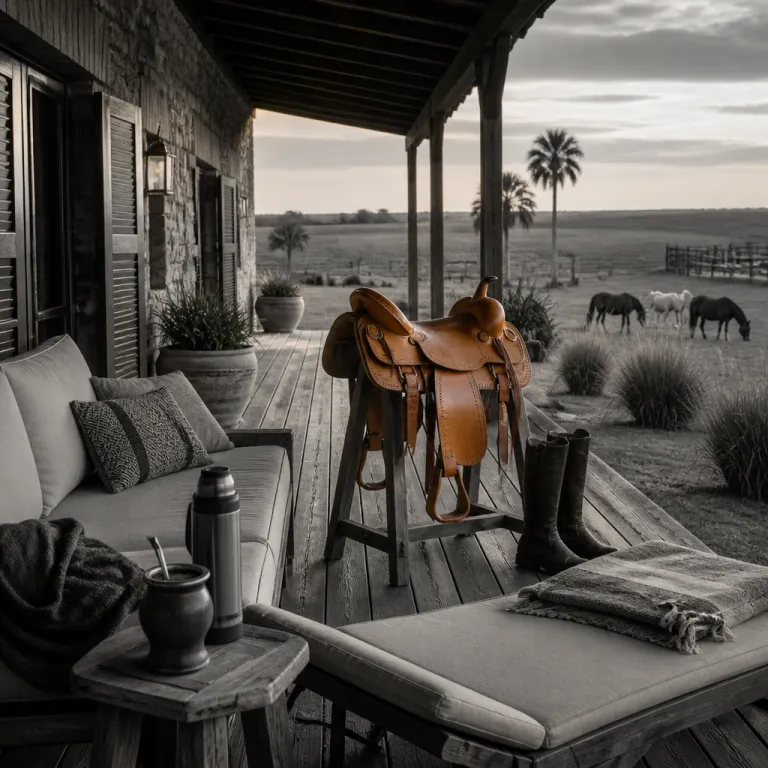
What an estancia stay in Paraguay really feels like
An estancia stay in Paraguay is less about polished spectacle and more about rhythm. You wake to a pale sky over the campo, drink maté or tereré with your host, then step straight into a working farm where time follows the cattle rather than the clock. By night the silence feels immense, broken only by insects and the low murmur of the local community finishing its day.
On a classic estancia Paraguay itinerary, mornings often start with horseback riding across open fields that turn dry and ochre in the long winter season. Riders move slowly at first, then fall into the same pace as the gauchos, watching real cattle work rather than a staged show for travelers. As one ranch owner near Paraguarí explains, “We don’t change our schedule for guests; we invite them into ours,” a simple line that captures how this daily routine shapes Paraguayan life, from breeding decisions to when families gather for Sunday asado.
After riding, you might walk the farm with a guide who points out medicinal plants and the subtle changes in weather patterns that matter for the herd. Lunch is usually a generous farm meal, sometimes cooked over wood, sometimes served in a shaded gallery where you feel the heat lift as the breeze arrives. Many estancias now offer meals guided by seasonal produce, so you taste what the land gives at that precise time, with typical daily rates for full board and activities starting around US$80–120 per person according to regional tourism listings.
Properties such as Sansanito Ranch show how an estancia holiday in Paraguay can balance authenticity with comfort. Here, travelers sleep in rooms with modern bathrooms yet still step outside to see horses saddled before first light. Across the country, roughly fifty guest-friendly ranches open their gates year round, a figure echoed by SENATUR regional directories and local association counts, giving visitors a place to stay that feels personal rather than programmed.
At Estancia Santa Clara, the owners invite guests to watch or join cattle work, then share stories over a late night drink under the stars. Estancia Tacuaty leans more rustic, yet its charm lies in how the local team folds visitors into everyday Paraguayan life on the farm. For solo travelers, this intimacy turns a simple stay into an experience that lingers long after you leave Paraguay; one recent guest described it as “the first time on my South America trip that I felt less like a tourist and more like a temporary neighbor.”
How Paraguayan estancias differ from Argentina and Uruguay
Across Latin America, ranch stays are often associated with Argentina’s polished estancias or Uruguay’s manicured coastal properties. Paraguay offers something different; a rural estancia here usually feels rawer, more private, and more closely tied to the land. You are not one guest among many, but a temporary part of a small rural community.
Where Argentine estancias might focus on showpiece horseback riding displays, an estancia experience in Paraguay tends to prioritise unfiltered participation. You may ride alongside workers checking fences, help move cattle between areas, or simply sit in the shade while a neighbor explains how the dry season shapes every decision. The best experiences come when travelers accept that comfort is high, but choreography is minimal and the estancia functions first as a working ranch.
Luxury in this context is not about a vast spa menu, but about time and access. You feel it when a host pauses their own farm tasks to guide you through the orchard, or when meals guided by family recipes appear without fuss on a long wooden table. Many properties operate with a small local équipe, so service is attentive yet informal, and conversations move easily between Spanish, Guaraní, and English.
Hacienda L&M, with its playful “Hobbit Rogá” themed rooms, shows how Paraguayan owners reinterpret rural luxury on their own terms. Tava Glamping near San Bernardino blends canvas and comfort, giving travelers a place to stay that keeps them close to nature while still offering polished amenities. These projects sit firmly within South America’s wider rural tourism trend, yet they retain a distinctly Paraguayan feel that you will not find elsewhere.
For readers seeking hidden gems in Paraguay, estancias often pair beautifully with under the radar premium hotels in nearby towns. Our guide to lesser-known luxury and premium stays helps you connect rural nights with urban comfort. Used together, they create a travel arc that moves from quiet campo evenings to sophisticated city dining without losing the thread of local culture.
Chaco versus the eastern interior: two estancia worlds
Paraguay’s Chaco and the eastern interior feel like two different countries for travelers planning an estancia stay. The Chaco is vast, flat, and often dry, with thorn forests and big skies that turn copper at sunset. Eastern Paraguay, by contrast, is greener, more humid, and dotted with low hills, rivers, and small national parks.
In the Chaco, estancias operate in genuinely remote areas where prolonged dry conditions define everything from cattle breeds to the length of the working day. During the dry season, roads are usually passable, and guided tours can include long drives to wetlands or forest patches where wildlife concentrates. Many travelers pair a Chaco ranch with a visit to a nearby national park, using the estancia as a base to explore nearby reserves with a private guide.
The eastern interior, stretching around Ytu Guazú and beyond, offers a softer landscape and shorter travel times from Asunción. Here, a country ranch might sit within a couple of hours of a Jesuit mission site or one of Paraguay’s smaller national parks, making it easy to explore nearby cultural landmarks between rides. You can spend the night on the farm, then visit nearby towns the next day for markets, churches, and low key cafés.
Wildlife expectations should be calibrated carefully in both regions. Our detailed Paraguay dry season wildlife guide explains where national parks excel for sightings and when an estancia is better for landscape and culture. In many cases, the best strategy is to use the ranch as a comfortable place to stay, then join specialist guided tours into protected areas.
“What activities are offered at Paraguayan estancias? Activities include horseback riding, cattle herding, and nature walks.” This simple statement from the national tourism authorities captures the core, but each region layers its own character on top. In the Chaco, nights feel endless and star heavy, while in the east, the sounds of frogs and distant fiestas remind you that Paraguayan life is never far away.
Comfort levels, logistics, and how long to stay
Comfort on an estancia holiday in Paraguay ranges from rustic charm to genuinely polished rooms with air conditioning and strong showers. Sansanito Ranch, for example, offers modern comforts while keeping guests close to daily farm routines. Tava Glamping pushes the envelope further, giving travelers a place to stay that feels like a small design hotel set in nature.
Across Paraguay, around fifty estancias welcome guests year round according to regional tourism listings, and distances from Asunción typically range between about 50 and 170 kilometres. Some properties sit close enough for a one night escape, while others in more remote areas demand a longer stay to justify the travel time. When planning, always ask your host about road conditions in the dry season and after heavy rain, because extended dry spells can make dirt tracks dusty but storms can quickly turn them muddy.
Reaching the Chaco usually involves a long, straight drive northwest, with fuel stops and simple roadside restaurants along the way. Eastern estancias near Ytu Guazú or other green areas are often accessed via paved highways, then short gravel roads that standard rental cars can handle in normal conditions. Local guides or transfer services arranged through your booking platform can remove the stress if you prefer not to drive.
For most travelers, the best estancia Paraguay itinerary includes at least two nights on the farm. One full day allows you to join horseback riding, watch cattle work, and still have time for a slow afternoon under the trees. A third night gives you space to explore nearby towns or national parks without feeling rushed.
As a concrete example, a typical two night stay might look like this: Day 1, depart Asunción around 08:00 for a three hour drive to an eastern interior ranch, arriving by late morning for check in and an introductory ride before sunset. Day 2, spend the morning riding or walking with a guide, enjoy a long farm lunch, then visit a nearby town or mission site in the afternoon before returning for an evening asado. Day 3, join a short dawn ride or nature walk, have breakfast, and leave by late morning to reach the capital or your next hotel by mid afternoon.
Why solo travelers thrive on Paraguayan estancias
For the solo explorer, an estancia stay in Paraguay offers structure, company, and space in equal measure. Days are naturally organised around farm routines, so you never feel at a loss for what to do. At the same time, there is always a quiet corner of the campo where you can sit alone and watch the light change.
Because many estancias are family run, solo travelers are quickly folded into the local community. You might share meals guided by whatever is cooking for the household that day, sit with workers during a break, or join a spontaneous trip to nearby towns for supplies. These unscripted interactions often become the best part of the experience, especially for guests curious about everyday Paraguayan life.
Activities such as horseback riding, nature walks, and informal guided tours are easy to tailor for one person. A guide can adjust the pace, explain details about cattle work, or point out how the dry season affects pasture in specific areas of the farm. At night, conversations stretch long over the table, and you feel less like a client and more like a visiting friend.
Hacienda L&M’s themed rooms, Sansanito Ranch’s balance of comfort and authenticity, and Estancia Santa Clara’s hands on cattle operations all suit solo travelers who value connection over spectacle. These properties show how Paraguay, often overlooked in South America travel planning, can deliver some of the best rural stays on the continent. For many guests, the memory that endures is not a single activity, but the slow, unhurried pace of ranch life itself.
Because these estancias operate year round, you can choose the season that best matches your interests. The dry season favours long rides and easier road access, while greener months bring fuller rivers and lusher fields. Either way, a carefully chosen place to stay in Paraguay’s interior can anchor a journey that feels both grounded and quietly indulgent.
FAQ
How far are estancias from Asunción, and how do I get there ?
Most guest friendly estancias in Paraguay sit between roughly 50 and 170 kilometres from Asunción, based on current tourism board maps. You can usually reach them by rental car on paved highways plus short gravel stretches, or by arranging private transfers through your booking platform or the estancia itself. Always confirm current road conditions with your host before you travel.
What level of comfort can I expect on a Paraguayan estancia ?
Comfort levels range from simple farmhouses with clean rooms and fans to properties with air conditioning, high quality bedding, and well designed bathrooms. Places like Sansanito Ranch and Tava Glamping offer modern amenities while keeping you close to nature and ranch life. When booking, ask specifically about heating, cooling, and private bathrooms to match your expectations.
How long should I plan to stay on an estancia ?
Two nights is usually the minimum to appreciate the rhythm of an estancia stay in Paraguay. This gives you one full day for horseback riding, cattle work observation, and relaxed meals without rushing. If you want to explore nearby towns or national parks, plan for three nights or more.
Are Paraguayan estancias suitable for solo travelers ?
Yes, Paraguayan estancias are particularly welcoming for solo travelers who enjoy authentic interaction. Family run properties naturally integrate guests into daily routines, shared meals, and informal outings. Activities can be easily adapted for one person, and evenings often turn into long conversations around the table.
When is the best time of year to visit an estancia in Paraguay ?
Estancias operate year round, but the dry season generally offers the easiest road access and most comfortable conditions for long rides. During this period, extended dry spells mean less mud and clearer skies, especially in the Chaco. Greener months can be more humid yet reward travelers with fuller rivers, lush fields, and dramatic storms viewed safely from the gallery.