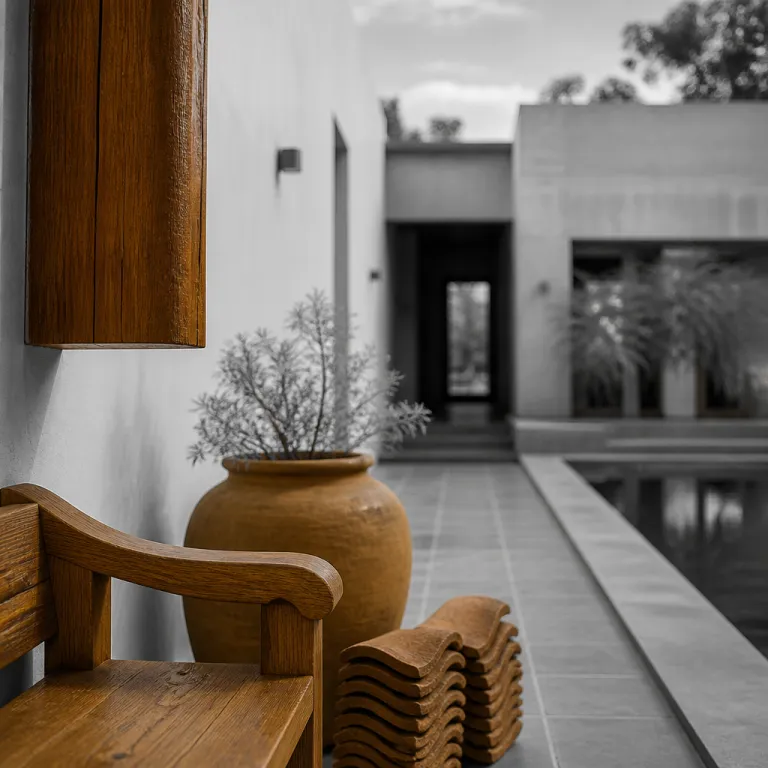
Why design hotels in Paraguay feel different from anywhere else
Luxury travelers arrive in Paraguay expecting anonymity, yet the best design hotels in Paraguay immediately feel rooted in place. The most interesting hotel in Asunción or in the countryside will lean into Guaraní craft, Jesuit mission geometry and tropical modernist architecture rather than imported clichés. That is why these hotels create an experience that couples remember long after they book their flights home.
Across Paraguay today, a new generation of architects is building a collection of properties that treat red earth, lapacho wood and terracotta as a design language. This emerging portfolio of hotels shows how a carefully detailed interior can tell stories about rivers, missions and markets, while still delivering top notch services and a refined hotel class of comfort. Couples who value architecture will notice how these hotels work with shade, cross ventilation and thick walls to tame the heat instead of relying only on state of the art air conditioning.
What sets these hotels apart from similar properties in other countries is the way local artisans are embedded in the design process. Ñandutí lace patterns appear as laser cut metal screens, Guaraní motifs are translated into terrazzo floors and lapacho beams frame courtyards that feel like a contemporary Jesuit house. As Asunción based architect Solano Benítez has argued in public lectures, “if the lobby could be anywhere, we have failed.” When guests walk into a design hotel in Asunción Paraguay, they step into an architectural narrative rather than a generic lobby that could sit in any capital.
From Jesuit missions to hotel Asunción: how history shapes contemporary spaces
Travel through Paraguay and you will see how the ruins of Jesuit missions still influence contemporary architecture. The most thoughtful design driven hotels borrow from these cloisters and plazas, arranging rooms around planted courtyards that cool the air and slow the pace. Couples who book these hotels often say the experience feels like staying in a living museum rather than a standard city property.
In Asunción Paraguay, La Misión Hotel Boutique has become a reference point for this historically informed design approach. Its architecture and interior design echo mission stonework and arches, while the services remain firmly five star and tailored to international guests. Even though we avoid the marketing term boutique hotel here, the property shows how a hotel Asunción can be both centrally located and deeply connected to Paraguay today.
Outside the capital, La Candelaria Hotel in Areguá and Posada Los Lapachos in Altos extend this mission inspired portfolio into the hills around Lake Ypacaraí. La Candelaria’s house like scale and collection of local art create intimate experiences for couples who prefer character over size, while Posada Los Lapachos uses its namesake trees and lapacho wood details to frame sunset views. Together, these hotels illustrate how Paraguayan design keeps evolving as architects reinterpret centuries old forms for contemporary travelers.
Lapacho wood, terracotta and the new sustainable luxury
Ask any architect working on high end hotels in Paraguay and one material comes up first. Lapacho wood, also known as Tajy, is a dense, durable wood native to Paraguay, often used in construction and furniture. This single species, when combined with terracotta and exposed brick, gives many of the best hotels their unmistakable warmth.
Yvyrupa Cabins in Cerrito show how a design focused retreat can use local materials to create both sustainability and sensuality. The cabins’ architecture relies on lapacho structure, terracotta tiles and natural ventilation, which means guests feel the river breeze instead of a sealed glass box. For couples, the experience is not just about eco labels; it is about waking up in a house like volume where every surface feels honest to Paraguay today.
Terracotta plays a crucial role in this sustainable portfolio of hotels across the country. Terracotta is valued for its natural aesthetic, durability and thermal properties, making it suitable for various architectural applications in hot climates. When you book a hotel that uses thick terracotta walls and deep verandas, you are choosing a design that will stay cool, age gracefully and reduce energy use without sacrificing comfort.
Inside the rooms: what to look for when you book a design led stay
Couples searching for the best design hotels in Paraguay often start with the façade, but the real test lies inside. A thoughtful interior will extend the architectural story through custom furniture, local textiles and lighting that flatters both the space and the guests. When you walk into your room, you should feel that every piece of work belongs to this specific hotel and not to a global catalogue.
In a well considered hotel Asunción, look for lapacho headboards, woven ñandutí panels and ceramics fired in nearby towns rather than anonymous prints. These details signal that the hotel class values provenance and supports artisans, which in turn enriches your experiences as you move between lobby, bar and suite. Over the years, hoteliers have noticed that couples who care about architecture also care about how their spending circulates in Paraguay today.
When you book, ask direct questions about the interior design and services. Does the property highlight its collaboration with local designers in its portfolio, or does it hide behind generic phrases like state of the art rooms and top notch amenities? As one hotel owner in Asunción told us during a 2023 interview, “guests remember the handwoven bedspread, not the size of the television.” The more specific the answers, the more likely you are to find a design hotel where every stay feels like a carefully edited collection of Paraguayan stories.
Architects, regions and a quiet revolution in Paraguayan hospitality
The most exciting architecture led hotels in Paraguay are not confined to Asunción. Along the Paraguay River, new hotel projects are emerging on former industrial plots, using stepped terraces and shaded promenades to reconnect guests with the water. These hotels will form a collection of riverfront experiences that complement the historic house conversions in the old city.
In the countryside, architects working on properties like Posada Los Lapachos and Yvyrupa Cabins are experimenting with low slung volumes, deep eaves and courtyards that frame lapacho trees. Their work shows how a hotel can be both state of the art in its environmental performance and deeply traditional in its material palette. For couples, this means you can move between countries on your South American trip and still feel that Paraguay offers something architecturally distinct.
To go deeper into this creative ecosystem, follow the Guaraní artisan trail that links Asunción with the Jesuit missions and lakeside towns. Our guide to the Guaraní artisan trail, craft stops and cultural stays between Asunción and the missions on myparaguaystay.com maps out workshops, small hotels and guest houses where architecture and craft meet. Plan a route that combines a centrally located hotel Asunción with rural stays, and your experiences will trace the full portfolio of Paraguayan design in just a few days.
How to choose: chain comfort versus character rich Paraguayan design
When you search for hotels in Asunción Paraguay, international chains will appear alongside independent properties rooted in local architecture. Chains offer predictable services and a familiar hotel class, which some guests appreciate after long haul flights. Yet couples interested in design driven stays usually find more memorable experiences in properties that take risks with materials and layout.
Start by deciding how centrally located you need to be for your itinerary. If you plan to work during the day and explore restaurants at night, a hotel Asunción in the new business districts may suit you, even if the architecture feels more international. If your priority is a sense of place, consider a restored house in the historic center or a riverside property that uses lapacho, terracotta and brick to frame views of Paraguay today.
Whichever direction you choose, read beyond marketing phrases like top notch services and state of the art facilities. Look for concrete descriptions of architecture, interior design and collaborations with artisans, because these details signal a true design hotel rather than a rebranded chain. Over the years, couples who ask these questions before they book tend to end up with richer experiences and a deeper connection to Paraguay as a destination.
Key figures shaping Paraguay’s design hotel landscape
- Across Paraguay, a growing number of hotels now use significant amounts of local materials such as lapacho wood and terracotta in their architecture, indicating a measurable shift toward place specific design.
- Industry reports and regional tourism data from organizations like the World Travel & Tourism Council point to a marked increase in eco conscious travel over the past decade, a trend that directly supports the growth of sustainable, design forward hotels.
- Field observations suggest that new properties like Yvyrupa Cabins and Posada Los Lapachos typically collaborate with multiple local artisan workshops per project, multiplying the economic impact of each hotel beyond its own guests.
- In Asunción Paraguay, the number of premium and luxury hotels has grown steadily in parallel with the city’s riverfront revitalization, creating more options for couples seeking centrally located, design focused stays.
FAQ about Paraguayan design hotels and architecture led stays
What is lapacho wood and why does it matter for hotels
Lapacho, or Tajy, is a dense native wood that resists humidity and insects, which makes it ideal for hotel structures, decks and furniture. When you stay in a design hotel that uses lapacho, you feel its warmth underfoot and see its tight grain in beams and headboards. This material choice anchors the architecture in Paraguay’s forests rather than in imported finishes.
Are these design focused hotels in Paraguay environmentally friendly
Many of the most interesting hotels in Paraguay prioritize sustainability by combining local materials with passive cooling strategies. Are these hotels environmentally friendly? In many cases, yes: they reduce energy use through shading, cross ventilation and careful orientation, and they often pair these strategies with eco conscious operations. For couples, that means lower energy use, better indoor comfort and the satisfaction of supporting responsible development.
How far in advance should I book a design hotel in Asunción
For peak local holidays and major events, you should book your preferred hotel Asunción several weeks ahead, especially if you want a specific room type or view. Smaller properties with a limited room collection can fill quickly when Paraguay hosts regional conferences or football matches. Outside those periods, centrally located hotels usually have availability, but design led suites still sell first.
What should I look for when comparing hotels that claim strong design
Focus on tangible elements such as the use of lapacho wood, terracotta, brick and Guaraní inspired patterns in both architecture and interior design. Check whether the hotel highlights collaborations with local artisans and architects, rather than only listing generic services and state of the art technology. Photos of courtyards, façades and room details will tell you more about the real design quality than any marketing slogan.
Is it worth leaving Asunción to experience Paraguay’s rural design hotels
Yes, combining a centrally located hotel in Asunción Paraguay with one or two rural properties gives you a fuller picture of the country’s architectural portfolio. Places like Posada Los Lapachos and Yvyrupa Cabins offer quieter experiences where the house like scale and landscape integration become part of daily life. Couples who make this effort usually rate their overall trip as one of their best design focused journeys in South America.