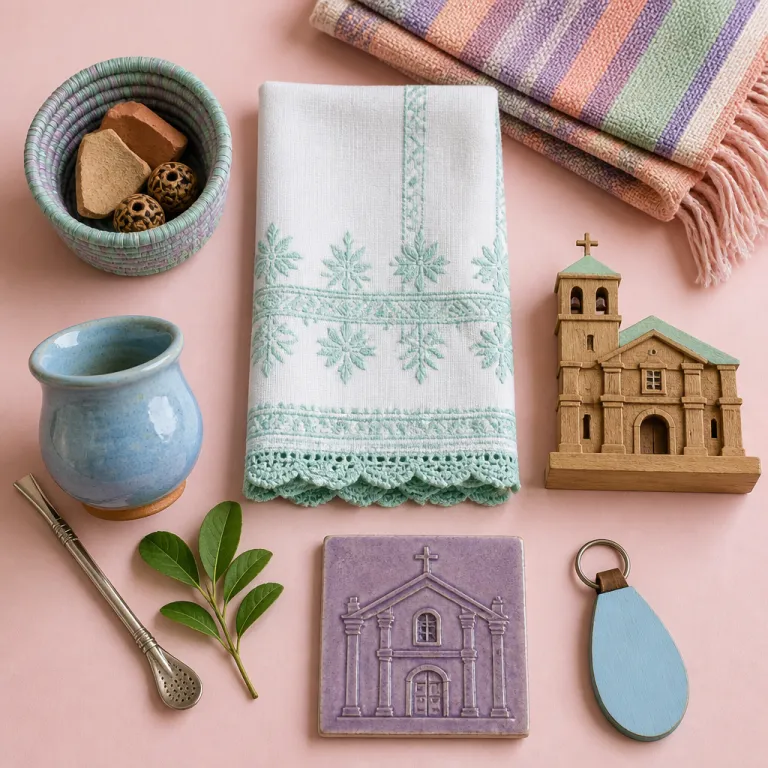
From the capital city to the Missions: framing the Guaraní artisan trail in Paraguay
The Guaraní artisan trail in Paraguay begins in the capital city Asunción, where colonial avenues meet a quietly confident creative scene. This route links the urban rhythm of Asunción with the red earth roads leading to the Jesuit ruins, creating a South American journey that feels both intimate and expansive. For luxury travelers, it is less a rushed tour and more a curated sequence of places to visit, each chosen for cultural heritage, comfort and peace of mind.
In Paraguay, Guaraní is spoken by most of the population, so every visit becomes a direct encounter with Guaraní culture rather than a distant observation. The Guaraní people shape daily life in the city and countryside, from the way breakfast is served in a refined restaurant to the ao po’i embroidery on your pillowcase in a countryside estancia. This living Guaraní culture gives the artisan route its unique depth, something many South American itineraries lack, especially for couples seeking meaningful experiences rather than box ticking.
Luxury and premium hotels along this axis between Asunción and the Missions now understand that guests want both design and narrative. In the capital city, high floor suites frame the Paraguay River at sunset, while concierge teams arrange a full day private tour that threads artisan workshops with quiet chapels and nearby national park landscapes. As you move south toward the Jesuit ruins, smaller high end properties near Encarnación and the mission towns offer a more natural setting, where the night soundtrack is cicadas rather than city traffic.
Key actors anchor this Guaraní themed itinerary and give it structure for travelers who prefer clarity. In Asunción, the artisan collective Ao Po’i Raity supports a large community of ao po’i embroiderers, turning traditional Guaraní techniques into contemporary textiles that appear in top hotel suites. Further along the route, the Jesuit Missions at La Santísima Trinidad de Paraná and Jesús de Tavarangué showcase Guaraní craftsmanship in stone, wood and layout, transforming a historical tour into a tactile experience of Guaraní culture.
Local tourism boards and artisan cooperatives have coordinated guided tours, self drive itineraries and cultural workshops, which makes planning easier for couples who want structure without losing spontaneity. Maps, local guides and artisan directories now sit alongside wine lists in many premium properties, reflecting how cultural heritage has become central to the South American travel offer in Paraguay. Growing interest in cultural tourism and authentic Paraguayan artisan products means that this Guaraní focused route is no longer a niche idea but a top option for travelers who value depth.
Asunción mornings: ao po’i, elegant breakfasts and Guaraní language as a key
Start your first full day in Asunción with a slow breakfast in a hotel that understands Paraguayan rhythm. The best properties in the city serve fresh fruit, local cheese bread and strong coffee on shaded terraces, where Guaraní phrases float between staff and guests as naturally as the scent of jasmine. This is the ideal moment to open your itinerary map, plan which artisan places to visit and let the Guaraní route through Paraguay take shape over your first cup.
A visit to Ao Po’i Raity in Asunción is essential for anyone serious about Guaraní culture and textile craft. This artisan collective specializes in ao po’i embroidery and brings together a significant number of artisans, so your purchases directly sustain a broad Guaraní community. Many luxury hotels now source ao po’i linens and cushions from this collective, so you may literally sleep wrapped in the same fine cloth you admired in the workshop.
Language becomes a subtle but powerful travel tool along this artisan trail. Learning a few Guaraní expressions, alongside basic Spanish, changes every visit from transactional to relational, especially when you meet local artisans in smaller towns. Simple greetings and thanks in Guaraní often lead to an open smile, an extra explanation of a motif or even an invitation to share tereré, the cold yerba mate that sits at the heart of Paraguayan hospitality and is beautifully explained in specialist guides to the tereré ritual.
Late morning is ideal for a cultural tour of central Asunción before the heat peaks. Walk from your hotel to artisan markets where ao po’i, leather goods and ceramics from Itá appear side by side, then pause for a light brunch in a shaded courtyard restaurant that highlights seasonal Paraguayan food. Couples who prefer curated experiences can ask their concierge to arrange a private guide who understands both Guaraní culture and the expectations of South American luxury travelers.
As afternoon approaches, retreat to your hotel pool or spa for a few hours of quiet before an evening stroll along the Paraguay River. The capital city now offers a growing choice of premium dining rooms where Paraguayan chefs reinterpret traditional dishes, pairing river fish with native herbs and serving cheese bread alongside contemporary tasting menus. For travelers interested in how culture and hospitality intersect, this is also the moment to read about how the new Arena Asunción concert venue is reshaping hotel nights in the capital, through an insider analysis of what Paraguay’s first permanent concert venue may mean for future hotel stays in the city.
On the road south: Yaguarón, artisan towns and lakeside detours
Leaving Asunción after breakfast, the Guaraní themed journey turns south toward Yaguarón, where a Franciscan church anchors one of the most atmospheric places to visit in Paraguay. The drive along Route 1 takes around an hour in light traffic, long enough to feel the city slip away as the landscape opens into low hills and small farms. Couples who value comfort can arrange a private car with a driver guide, allowing them to focus on the experience rather than the road.
Yaguarón’s church interior, carved and painted by Guaraní people under Franciscan guidance, offers an early lesson in how Guaraní culture adapted and reinterpreted European forms. This is not a museum behind glass but a living space, where local worshippers still gather on feast days and where the narrative of Guaraní artisanship becomes tangible in wood and gold leaf. A guided tour here sets the tone for later visits to the Jesuit ruins, helping you read details that casual visitors often miss.
From Yaguarón, continue toward San Lorenzo and San Bernardino, choosing your detours according to interest and time. San Lorenzo, a university city near the capital, offers lively markets where you can sample street food and buy everyday ao po’i shirts that locals actually wear, rather than only tourist pieces. San Bernardino, on the shores of Ypacaraí Lake, has evolved into a weekend escape for Asunción residents, with lakeside hotels that balance natural views with polished service.
Ypacaraí Lake itself is a gentle counterpoint to the Paraguay River, with calm waters that reflect the changing sky and low surrounding hills. Here, the Guaraní artisan experience becomes less about specific workshops and more about absorbing a South American lakeside atmosphere shaped by Paraguayan music, poetry and summer rituals. Choose a hotel with a terrace facing the water, order a late brunch or early lunch and let the day stretch without hurry.
Artisan focused travelers should consider a side trip to Itauguá and Areguá before or after San Bernardino. Itauguá is synonymous with ñandutí, the sun shaped lace that appears in shawls, table runners and framed artworks, while Areguá is known for its pottery and ceramics that echo the traditions of nearby Itá, where a large share of the population works in ceramic art. These towns are ideal places to meet Guaraní influenced artisans in their own workshops, ask questions about motifs linked to the Triple Alliance era or local legends and choose pieces that will carry the memory of this day back home.
Jesuit Missions and Guaraní heartlands: from Santa María to Jesús de Tavarangué
As you continue south, the route enters the historical heartland of the Jesuit Missions, where Guaraní culture and European religious architecture intertwined for generations. The drive from San Ignacio to Santa María and onward to Trinidad and Jesús de Tavarangué traces a sequence of mission towns, each with its own rhythm and degree of preservation. For couples, this stretch rewards a slower pace, ideally with at least one full day dedicated to the main Jesuit ruins.
Santa María offers a quieter stop, where local life unfolds around a central plaza and small workshops sell carved saints, Guaraní inspired textiles and simple ceramics. Staying in a nearby estancia or guesthouse allows you to experience Paraguayan food prepared in family kitchens, from hearty stews to freshly baked cheese bread served at both breakfast and dinner. Here, the Guaraní artisan route feels less curated and more organic, shaped by conversations with hosts who may switch between Spanish and Guaraní in a single sentence.
La Santísima Trinidad de Paraná and Jesús de Tavarangué, both UNESCO listed, form the visual and emotional climax of this South American itinerary. At Trinidad, the scale of the stone complex and the detail of the carvings reveal how deeply Guaraní people absorbed and reworked European iconography, turning it into something distinctly Paraguayan. At Jesús de Tavarangué, the unfinished church stands open to the sky, its arches framing clouds and birds in a way that feels almost natural rather than monumental.
Guided tours at the Missions help connect the dots between architecture, Guaraní language and the broader history of Paraguay, including the later trauma of the Triple Alliance conflict that reshaped the region. Many guides are from local families and carry stories passed down through generations, which adds nuance to the standard historical narrative. For travelers following this Guaraní artisan route, these human voices are as important as the stones themselves.
Evenings near the Missions are best spent in small, well run hotels or estancias that understand the needs of cultural travelers. Look for properties that offer flexible breakfast times, so you can visit Guaraní sites at dawn or dusk when the light is soft and the air cooler. A glass of South American wine on a veranda, the sound of insects in the distance and the knowledge that you have walked through centuries of cultural heritage combine to create a rare sense of peace of mind.
Encarnación comforts: riverside stays, Guaraní flavors and refined returns
Encarnación, set on the banks of the Paraná rather than the Paraguay River, serves as a comfortable base at the southern end of this Guaraní inspired itinerary. The city has grown into a resort style destination, with a riverfront promenade, sandy beaches and a cluster of hotels that range from solid business properties to genuinely premium stays. For couples, this is the place to slow the tempo after days of cultural touring and let the experiences settle.
Choose a hotel with river views and a strong food and beverage program, ideally one that highlights Paraguayan ingredients and Guaraní influenced recipes. Many of the top properties now offer breakfast buffets that include local fruit, artisanal jams, regional cheese bread and made to order eggs, allowing you to start the day at your own pace. Some also serve a late brunch on weekends, which suits travelers returning from a morning visit to nearby Missions or a natural reserve or national park.
From Encarnación, it is easy to arrange a final visit to Guaraní artisan communities or to return to Jesús de Tavarangué and Trinidad for a different light and mood. Couples who prefer structured experiences can book a full day private tour that combines remaining Jesuit ruins, small Guaraní villages and a leisurely lunch in a countryside restaurant known for traditional Paraguayan food. Those who enjoy independent exploration can simply keep the car and follow signed routes, stopping whenever a roadside stand or workshop catches the eye.
Evenings in Encarnación invite a different reading of Guaraní culture, one that blends South American beach town energy with local traditions. Walk the costanera as the sun sets, then choose a restaurant where Guaraní language drifts between tables and where grilled river fish, manioc and seasonal vegetables anchor the menu. The artisan journey through Paraguay may have started in the capital city, but it often feels complete only once you have tasted how Guaraní culture adapts to this riverside city.
When it is time to return to Asunción or continue elsewhere in Paraguay, consider breaking the journey with another night near Ypacaraí Lake or in San Bernardino. This allows you to revisit favorite places to meet Guaraní artisans, pick up any last ao po’i pieces or ceramics and enjoy one more lakeside sunset. By the time you reach Asunción again, the Guaraní artisan route will have shifted from an itinerary on paper to a layered set of memories, each linked to a specific hotel room, shared meal or quiet conversation in Guaraní.
FAQ
What is ao po’i and where can I see it on this route ?
Ao po’i is a traditional Paraguayan embroidery technique whose name means “fine cloth” in Guaraní. Along this Guaraní artisan route, the most significant place to see ao po’i is Ao Po’i Raity in Asunción, an artisan collective that supports many embroiderers and supplies textiles to high end hotels. You will also encounter ao po’i garments and linens in markets in San Lorenzo, San Ignacio and smaller towns near the Jesuit Missions.
Where exactly are the Jesuit Missions located along this itinerary ?
The main Jesuit Missions on this route are La Santísima Trinidad de Paraná and Jesús de Tavarangué, both situated in southern Paraguay near Encarnación. Travelers usually reach them by road from Asunción, passing through Yaguarón, San Ignacio and Santa María before arriving at the mission complexes. These sites are close enough to each other that they can be visited in a single full day, although many couples prefer to spread the visits over two days.
How can luxury travelers support local artisans responsibly ?
Luxury travelers following the Guaraní artisan route can support artisans by buying directly from workshops and cooperatives, especially in places like Ao Po’i Raity, Itauguá, Areguá and Itá. Paying fair prices, avoiding aggressive bargaining and asking about the meaning of motifs all show respect for Guaraní culture and craftsmanship. Choosing hotels that source textiles, ceramics or decor from local artisans further amplifies your positive impact.
Is it better to self drive or book guided tours between Asunción and the Missions ?
Both options work well on this itinerary, and the choice depends on your travel style and confidence. Self drive routes offer flexibility to stop spontaneously at roadside stands, lakes and workshops, which many couples enjoy. Guided tours, whether for a full day or the entire route, provide deeper historical context at sites like Yaguarón and the Jesuit Missions and remove any stress about navigation or timing.
When is the best time of year to follow this Guaraní focused route ?
The Guaraní artisan route in Paraguay operates year round, with cultural sites, artisan workshops and hotels open in all seasons. Many travelers prefer the cooler months, when walking around mission complexes, national park areas and lakeside towns like San Bernardino and Encarnación is more comfortable. Whenever you choose to visit, planning early morning or late afternoon tours helps you enjoy both the natural light and the quieter atmosphere at key cultural heritage sites.