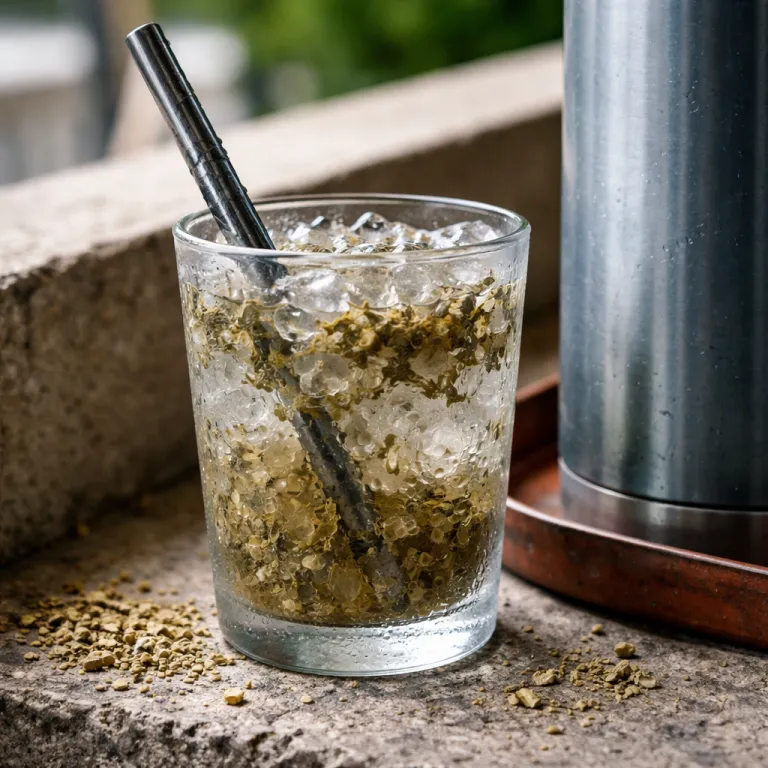
Tereré Paraguay ritual as the quiet language of welcome
Tereré is not just a refreshing drink in Paraguay. Tereré is a cold yerba mate beverage that carries Guaraní heritage into every courtyard, lobby and shaded terrace. For luxury travelers, understanding the tereré Paraguay ritual opens window after window into how people relate, how they host and how they read you as a guest.
Technically, tereré is a preparation of yerba mate leaves steeped with cold water, often poured over ice and fresh medicinal herbs called yuyos. It differs from Argentine or Uruguayan mate drink traditions, where the same yerba herb is infused with hot water and drunk from a similar metal straw, but the temperature and rhythm of drinking mate there feel more intense and solitary. In Paraguay, the tereré drink is slower, more horizontal, a social ritual that moves like shade across a patio and quietly defines tereré culture in both homes and high end hotels.
The Guaraní people developed this way of drinking tereré long before Spanish speakers arrived in South America. Today, Guaraní and Spanish coexist in the language of tereré drinking, from the Guaraní word guampa for the cup to the Spanish term del hotel when staff invite you to share a round. UNESCO describes it clearly in one of the most cited definitions : “Tereré is a traditional Paraguayan drink made from yerba mate, prepared with cold water.”
From lapacho shade to lobby lounge: where tereré really happens
Midday is when tereré drinking makes the most sense in the Paraguayan climate. The sun is high, the air is heavy, and a circle of people gathers under a lapacho tree or beneath a gallery roof with a guampa cup, a bombilla straw and a thermos of cold water. That same pattern now appears in luxury properties, where a well designed terrace or pool deck becomes the urban version of a lapacho grove and the tereré Paraguay ritual quietly anchors the day.
Outside the capital, you will see Guaraní people and mestizo families sharing the tereré drink on ranches, riverbanks and Jesuit mission lawns, always with yerba mate and often with medicinal herbs that reflect local culture poha knowledge. In Asunción, hotel staff might step outside on a break, passing one mate drink gourd between them, while guests watch from behind glass and miss the point that this is living cultural heritage rather than a staged performance. The most rewarding luxury stays are those where staff feel comfortable inviting a respectful solo traveler into that circle, turning drinking tereré into a shared pause rather than a show.
Remember that hot tea or coffee belongs to a different moment in Paraguay, while this cold beverage is about heat, rest and conversation. When a concierge offers you a different drink Paraguay option, such as a fruit juice, you can gently ask whether there will be tereré later on the terrace. That simple question signals that you value the heritage behind the drink tereré practice and are curious about the social ritual, not just the Instagram shot.
How to read the guampa, bombilla and rotation like a local
The guampa, the tereré cup often carved from horn, wood or modern steel, is the center of gravity in any circle. One person, the cebador, controls the thermos of cold water and the flow of the tereré drink, refilling the same yerba mate leaves again and again. In a luxury hotel, that cebador might be a bartender, a guest experience host or even a manager who steps out from behind the desk to lead the tereré Paraguay ritual personally.
Rotation matters more than many visitors realize, because it reflects how people understand respect and equality. The cebador fills the guampa, hands it to one person, waits for them to finish drinking tereré completely, then refills and passes it to the next person in a fixed order that should not be broken casually. You do not say thank you after every serving of this cold beverage, because in Guaraní and Spanish etiquette that would signal you are finished drinking mate or tereré, so a simple nod or eye contact is enough until you truly want to stop.
Watch how the bombilla, the metal straw, is treated as almost sacred ; you should never stir it or pull it out of the mate drink. If you are unsure, let the cebador guide your hands the first time you drink tereré in a hotel setting, because that small gesture of humility will be noticed. Over a few rounds, the rhythm of tereré drinking opens window after window onto how Guaraní people negotiate space, silence and hierarchy without a single raised voice.
Tereré in luxury hotels: from welcome ritual to wellness program
High end properties across Paraguay are slowly learning that a sincere tereré culture experience is more powerful than any generic welcome cocktail. Some hotels now greet arriving guests with a choice between a classic cold water tereré drink and a non caffeinated tea, served in elegant guampas that echo Guaraní heritage without turning it into a costume. The best teams train staff to explain, in both Guaraní and Spanish, what yerba they are using, which medicinal herbs are in the mix and how the social ritual works if guests wish to join.
Wellness focused hotels in South America increasingly integrate medicinal herbs from the yuyera tradition into their spa menus, but Paraguay remains the place where those herbs still live in the guampa first. You might be offered poha nana, a mint like herb, for digestion, or other yuyos that local culture poha specialists associate with circulation, relaxation or focus, always framed as traditional knowledge rather than medical advice. One dataset answer often quoted by hotel cultural concierges is : “Tereré is believed to have various health benefits due to the medicinal herbs used in its preparation.”
When you evaluate a luxury property on a site like myparaguaystay.com, look beyond room size and pool design to see how the hotel handles drinking mate and tereré in shared spaces. A thoughtful property will schedule an afternoon tereré Paraguay gathering on the terrace, perhaps paired with a talk on cultural heritage or interior design, similar in spirit to the curation described in this guide to interior highlights for discerning travelers. What you want to avoid are staged photo corners where staff in costume hold a guampa as a prop while the real tereré drinking happens out of sight in the service courtyard.
Yuyeras, authenticity tests and how hotels can get tereré right
On Asunción’s streets, the yuyera is the quiet authority on herbs, standing beside a cart piled with fresh leaves and roots. Locals bring their thermos of cold water and their guampa filled with yerba mate, then ask the yuyera to add specific medicinal herbs according to mood, season or minor ailments. When a luxury hotel partners with a respected yuyera or trains a staff member in this culture poha knowledge, the tereré Paraguay ritual inside the property suddenly feels connected to the city outside.
Authentic programs will name the herbs clearly, from poha nana to more complex blends, and explain that “Tereré is a traditional Paraguayan drink made from yerba mate, prepared with cold water.” Less convincing experiences hide behind vague wellness language, offering a generic drink Paraguay infusion in a glass rather than a shared guampa cup, or treating drinking tereré as a one off workshop instead of a daily rhythm. As a solo traveler, you can gently ask whether staff themselves enjoy drinking mate or tereré on breaks, because their answer will tell you whether the hotel’s tereré drink is lived culture or just a product.
For many Guaraní people, the deepest luxury is not a marble lobby but time to sit, share and be heard while drinking mate or tereré without hurry. A hotel that understands this will design shaded spaces where the tereré drink can unfold naturally, perhaps under a lapacho tree or beside a quiet pool, and will let guests join without pressure. In those moments, the tereré Paraguay ritual truly opens window after window onto a living cultural heritage that no spa menu or room upgrade can match.
FAQ
What is tereré and how is it different from mate ?
Tereré is a traditional Paraguayan drink made from yerba mate, prepared with cold water in a shared cup called a guampa. Mate uses the same yerba herb and a similar metal straw, but it is infused with hot water and usually drunk in cooler climates such as Argentina or Uruguay. In Paraguay, tereré drinking is closely tied to midday heat, medicinal herbs and a relaxed social ritual that luxury hotels increasingly integrate into guest experiences.
When and where do Paraguayans usually drink tereré ?
People in Paraguay typically drink tereré from late morning through the afternoon, when temperatures rise and a cold beverage is most welcome. You will see Guaraní people and city residents sharing a guampa under lapacho trees, in plazas, at ranches and in workplace courtyards. Many premium hotels now create shaded terraces or gardens where staff and guests can share drinking tereré together.
How should I behave if hotel staff invite me to share tereré ?
Accept the guampa with your right hand, drink tereré until the cup is empty, then hand it back to the cebador without moving the metal straw. Do not say thank you after every serving, because in local etiquette that signals you are finished ; wait until you truly want to stop drinking mate or tereré. Follow the rotation order, observe quietly at first and let staff guide you through the social ritual.
What are yuyos and why are they important in tereré ?
Yuyos are fresh medicinal herbs that Paraguayans add to the cold water used for tereré, often purchased from street vendors known as yuyeras. Common herbs include poha nana and other plants associated with digestion, circulation or relaxation in traditional culture poha practice. These medicinal herbs connect the drink to Guaraní heritage and make tereré more than just a flavored beverage.
How can I tell if a hotel tereré experience is authentic ?
An authentic program will use real yerba mate leaves in a shared guampa, explain the role of the cebador and mention specific herbs rather than generic “detox” blends. Staff will usually drink tereré themselves off duty, and guests may be invited to join informal circles rather than only scheduled demonstrations. If the tereré drink appears only as a photo prop or a one time show, it is likely staged rather than part of the hotel’s living cultural heritage.