Paraguayan cuisine in Asunción reaches the U.S. table
Paraguayan cuisine in Asunción is having a rare, well timed spotlight. Lucas Szaran’s new book on traditional Paraguayan dishes, released for U.S. readers, lands just as American arrivals grow and Paraguay’s residency program quietly attracts long stay executives. For business travelers planning where to eat Asunción, this convergence turns the hotel restaurant list into a strategic tool rather than a formality.
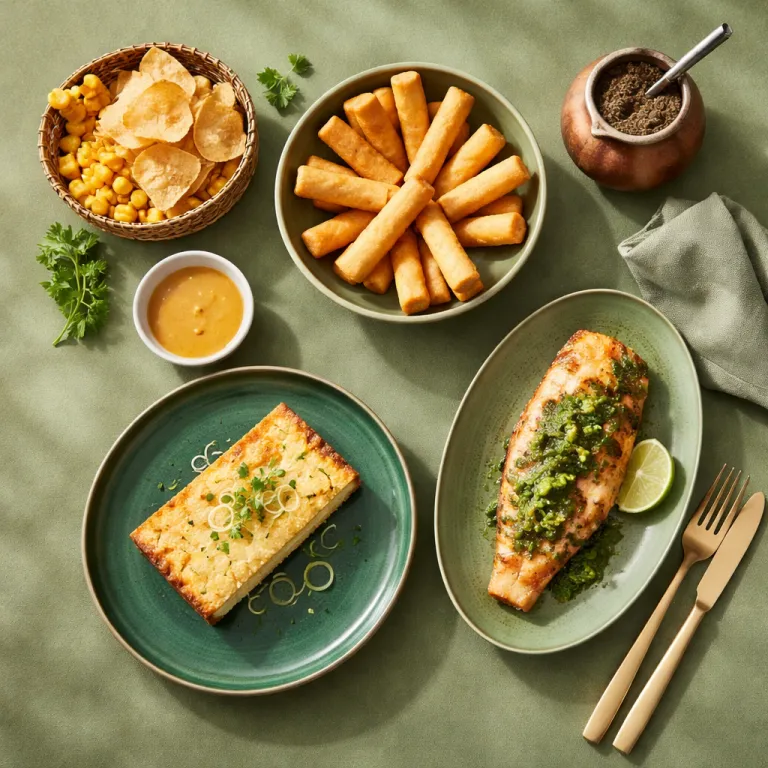
Szaran focuses on emblematic traditional foods such as sopa paraguaya, chipa guasu, vori vori soup and pastel mandi’o, framing each dish as national pride rather than regional curiosity. His narrative underlines how corn, cassava and cheese milk define everyday food in Paraguay, while meat and clay ovens signal celebration and family gatherings. One dataset summary captures the shift in outside perception succinctly ; “What is sopa paraguaya? A cornbread-like dish made with cornflour, cheese, and onions.”
For years, Paraguay and its capital Asunción were reduced abroad to generic meat hard asado and vague references to the country between giants. Now, taste Atlas style rankings, Latin America 50 Best recognition for Tierra Colorada Gastro and a wave of coverage around Szaran’s work are repositioning Paraguayan food as a subject in its own right. Luxury hotels that once leaned on international menus are starting to feature curated Paraguayan dishes, served with context that helps people understand why a simple boiled cassava side can carry as much meaning as a steak.
From chipa to vori vori: what executives should actually order
In Asunción today, the best way to read the city is through its dishes. Start with breakfast chipa, the starch cheese bread ring baked in clay ovens, which appears in both street vendors’ baskets and polished hotel buffets. When you eat Asunción in this way, you see how cassava starch, cheese milk and cornflour quietly structure the day for people across every income bracket.
Lunch is the time to test how chefs are rethinking traditional dishes without losing their soul. At Tierra Colorada, sopa paraguaya arrives as a refined side dish, its cheese rich crumb paired with carefully grilled meat, while at Pakuri a bowl of vori vori soup might be served with a lighter broth and herbs that reference native flora. Cocina Clandestina and Patio Colonial lean into pastel mandi’o, presenting these cassava starch empanadas with slow cooked fillings that avoid the meat hard textures of rushed street versions.
Outside formal dining rooms, a practical guide Asunción for executives should still include Mercado 4 and the city’s street vendors, especially around the San Juan or Saint John festivities when chipa, boiled cassava and seasonal traditional foods dominate the stalls. Here, boiled cassava is often served beside grilled meat, and you can taste how this country uses simple food to anchor celebration. With an average restaurant meal in Asunción costing around 30 000 PYG, even premium travelers can sample multiple Paraguayan dishes in one day without straining a corporate per diem.
Hotel tables, clay ovens and the risk of translation
For luxury and premium hotels, the current moment in Paraguayan cuisine in Asunción is both an opportunity and a test. Properties courting U.S. executives now curate tasting menus that move from chipa and sopa paraguaya to elegant plates of meat and seasonal vegetables, sometimes cooked in tatakua clay ovens on site. The best teams collaborate with Paraguayan chefs, local farmers and restaurant owners to ensure that what is served reflects how people in Paraguay actually eat, rather than a generic South American template.
The risk lies in over translating ; when vori vori becomes just “chicken soup with dumplings” on a room service menu, the dish loses its link to family kitchens and national pride. When boiled cassava is replaced by imported potatoes, or when pastel mandi’o is reimagined so far that cassava starch barely features, the food stops telling the story of the country. Executives who value wellness and authenticity increasingly choose hotels that balance spa level comfort, such as those highlighted in My Paraguay Stay’s guide to luxury spa hotels and premium hospitality, with dining rooms that still feel rooted in Asunción’s streets.
For travelers extending a business trip, the most rewarding strategy is to alternate between hotel dining rooms and the city’s independent leaders of Paraguayan cuisine in Asunción. One night might be a tasting of traditional dishes at a high end property, the next a reservation at Tierra Colorada or Pakuri, followed by an informal circuit of street vendors during San Juan when traditional foods dominate. In this rhythm, cassava, chipa, meat, cheese and soup stop being abstract keywords and become the flavors that define how you remember Paraguay long after checkout.