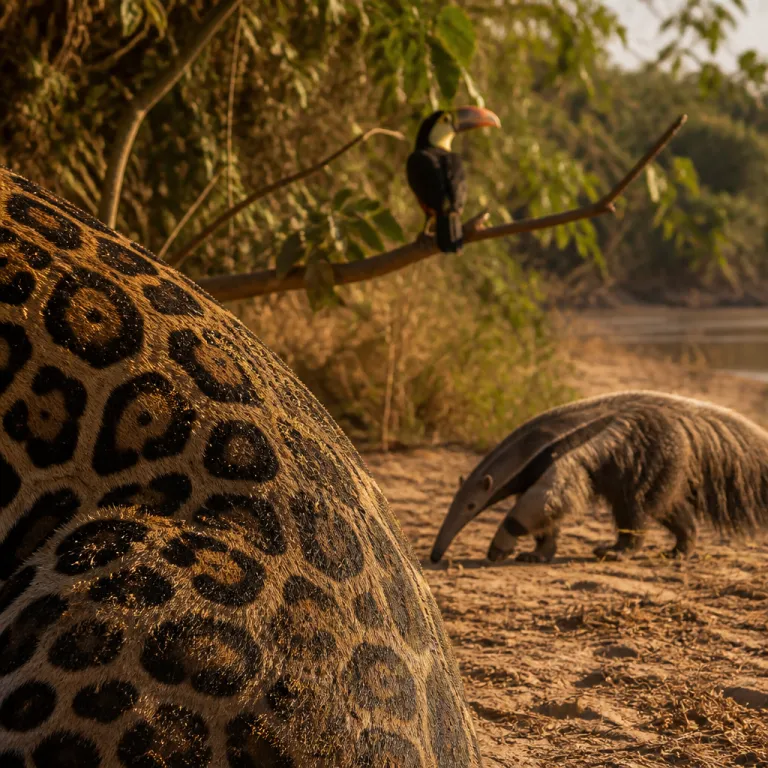
Paraguay wildlife guide dry season: how the country actually works for families
Paraguay sits quietly in the heart of South America, yet its wildlife feels anything but modest. During the dry season from May to September, the average daytime temperature hovers around 25 °C, and that stability turns the whole country into a natural observatory for families who want serious wildlife without expedition level hardship. This is the moment when a carefully planned trip built around three or four days in each key region will give you a practical, real world Paraguay wildlife guide dry season rather than a theoretical wish list.
Paraguayan wildlife authorities describe this period as the optimal window for observing jaguars, toucans and giant anteaters, because shrinking water sources pull many wildlife species into tighter, more visible spaces. Local tour operators confirm the pattern on the ground and structure their tours and each full day excursion around early morning and late afternoon peaks, when birds and mammals move between feeding and remaining pools. One Chaco guide summed it up neatly to a visiting family: “If we are at the waterhole before the sun hits the treetops, we are already on jaguar time.” For families, that rhythm means you can return to a luxury lodge by early evening, let the children swim or rest, and still keep the focus on serious wildlife rather than on logistics.
Across Paraguay, more than 700 bird species have been recorded, and a significant share can be seen on relatively gentle day walks or relaxed vehicle based tours that suit children. The country’s fauna includes charismatic big mammals such as jaguars, pumas, tapirs, howler monkeys, capybaras and giant anteaters, yet the infrastructure remains uncrowded compared with other parts of South America. That combination of rich wildlife diversity in Paraguay and low visitor numbers is why a Paraguay wildlife guide dry season is especially valuable for premium families, because the right lodge and the right guide will shape your days with precision rather than chance.
Mapping the three wildlife zones: Chaco, Pantanal fringe and Atlantic Forest
Think of Paraguay in three wildlife bands, each with its own mood and its own style of luxury stay. To the west, the Chaco and the more specific dry Chaco and Chaco Cerrado landscapes hold the big mammals and off road safaris that many families picture when they hear the word wildlife. In the east, the Pantanal fringe wetlands and the remaining Atlantic Forest of eastern Paraguay offer waterbirds, monkeys and toucans, while the central corridor around Asunción gives you softer entry points such as Jardín Botánico and the marshes of Arroyos y Esteros for relaxed birding day trips.
The Chaco is where a Paraguay wildlife guide for the dry season becomes essential, because distances are long, roads can be rough and the best wildlife lodges sit far from towns. Here, specialist tours with field biologists focus on birds and mammals that are hard to see elsewhere in South America, including giant anteaters, Chaco peccaries and secretive cats that leave more tracks than actual sightings. Well known bases such as Estancia Iparoma or community run estancias near Filadelfia typically work with resident naturalists who know which waterholes and salt licks are most active in any given week. If you are curious why Paraguay is the last great undersold destination in South America for high end wildlife, read this detailed perspective on why luxury travelers are paying attention to Paraguay before you book.
Eastern Paraguay feels different, greener and more intimate, with the Atlantic Forest remnants around San Rafael and other reserves sheltering a high density of bird species in a compact area. Families who enjoy birding can build a list of colourful birds in only a few days, including toucans, tanagers and manakins, while still returning to comfortable lodges with proper family suites. The Pantanal fringe wetlands, reached from eastern Paraguay, add another layer of Paraguayan fauna, with capybaras, caimans and waterbirds gathering at shrinking lagoons as the dry season advances.
Luxury and premium bases in the Chaco: dry season safaris without roughing it
The Chaco has a reputation for being harsh, but a new generation of estancias and eco lodges now offers real comfort for families who want wildlife first and dust second. In the dry Chaco and the more wooded Chaco Cerrado, several community run properties and private ranches have upgraded rooms, added air conditioning and refined their cuisine, so a full day in the field ends with a hot shower and a serious dinner rather than a basic bunk. For premium families, the key is to choose a lodge that works with reputable local tour operators and field biologists, because that partnership shapes every tour and every day tour into the surrounding habitats.
Night drives are the signature Chaco experience during the dry season, when wildlife concentrates near water and along sandy tracks. Expect to head out after an early dinner, with children over ten usually handling the hours better than younger ones, and scan for the eye shine of birds and mammals such as nightjars, owls, foxes and possibly a giant anteater crossing the road. One family friendly estancia near Mariscal Estigarribia, for example, times its departures so younger guests can join a shorter loop and still be back for dessert. For a sense of what a community stay can feel like at the high end of authenticity, this report on going off grid in the Chaco at a community run estancia gives a realistic image of the balance between comfort and immersion.
Specialist guides in the Chaco often work with organisations such as FAUNA Paraguay and Wildlife Paraguay, and some, like long time naturalist Paul Smith, have spent decades building detailed knowledge of local bird species and mammals. Their tours will usually include a mix of vehicle based safaris, short walks and occasional night sessions near waterholes, which keeps the pace manageable for children. When you read a Paraguay wildlife guide dry season focused on this region, pay attention to how many days are allocated to each habitat, because two or three days rarely do justice to the full range of Paraguayan wildlife in the Chaco.
Birding for families: from Jardín Botánico to Arroyos y Esteros and beyond
Paraguay is a serious birding country, but that does not mean your family trip needs to feel like a hardcore expedition. Around Asunción, the leafy grounds of Jardín Botánico y Zoológico de Asunción offer an easy first day tour, where children can spot bright birds in the canopy while parents adjust to the climate with a tereré under the lapacho trees. Here, a relaxed guide can introduce the idea of a bird list, turning each new bird into a small victory rather than a checklist chore.
North of the capital, the wetlands and rice fields around Arroyos y Esteros become a dry season magnet for birds and mammals that depend on remaining water. Local tours often run as half day or full day outings, using vehicles to move between marshes and levees where herons, ibises and other waterbirds gather in dense flocks, creating an image of abundance that is easy for children to grasp. With more than 700 bird species recorded in Paraguay by national and regional ornithological surveys, even a short trip of three or four days around Asunción and eastern Paraguay can yield an impressive family list without long hikes.
Specialist birding tours in Paraguay also target more elusive species such as the cock tailed tyrant, the white winged nightjar and the winged nightjar, which are associated with grasslands and savannas that are easier to access in the dry season. While younger children may not care about the difference between a tailed tyrant and other flycatchers, teenagers often enjoy the challenge of finding a specific bird species with a guide, especially when shown a field guide image before the search. A good Paraguay wildlife guide dry season will flag which birds are realistic for family friendly outings and which require longer days that might suit only older children.
Atlantic Forest and San Rafael: soft adventure with serious biodiversity
Move east and the mood shifts from open Chaco to the layered greens of the Atlantic Forest, where the air feels heavier and the soundscape thickens with birds. The San Rafael area and other forest remnants in eastern Paraguay protect one of the most threatened ecosystems in South America, yet they remain surprisingly accessible for families staying at well run eco lodges. Here, trails are usually short but can feel adventurous to children, with hanging vines, butterflies and the occasional monkey movement in the canopy.
Guided walks at dawn and late afternoon are the core of most tours in this region, because that is when forest birds and mammals are most active near fruiting trees and remaining streams during the dry season. Families can expect toucans, tanagers and manakins as regular sightings, while more patient birders may add rarer bird species to their list, including some that are considered endangered white throated or white winged specialities of the Atlantic Forest. Lodges that work closely with FAUNA Paraguay or similar organisations often provide laminated image guides for children, turning each walk into a game of matching real wildlife to the pictures.
San Rafael also offers a different angle on luxury for families, one that values silence, dark skies and attentive guiding over marble lobbies. After a full day on the trails, you return to a hot shower, a well cooked Paraguayan dinner and perhaps a quiet fire where older children can ask guides about jaguars, pumas and other elusive wildlife that still roam the wider landscape. If you are planning a romantic extension after a family focused trip, consider pairing this region with one of the intimate properties highlighted in this guide to romantic stays in Paraguay for two, which can follow the same Paraguay wildlife guide dry season logic but with a different pace.
Planning your family itinerary: age brackets, safety and practical details
Designing a Paraguay wildlife guide dry season for a premium family means matching regions and activities to the ages and energy levels of your children. Under tens usually do best with shorter day tours around Asunción, Jardín Botánico and Arroyos y Esteros, where wildlife is visible without long drives and lodges offer pools and gardens for downtime. Teenagers can handle longer days in the Chaco or San Rafael, including carefully managed night drives and early starts that maximise wildlife sightings.
From May to September, the dry season context works in your favour, because wildlife concentrates near water and trails stay relatively firm underfoot. Paraguayan wildlife authorities and national park services encourage visitors to use guided tours or at least hire local guides for self guided hikes, both for safety and to support conservation, and they promote eco friendly transportation where possible. Their own public guidance for visitors is clear and worth repeating in full for families planning a trip : "What is the best time to see jaguars in Paraguay? May to September during the dry season." and "Are guided tours available for wildlife viewing? Yes, local operators offer guided tours."
On a practical level, pack light, breathable clothing, insect repellent and refillable water bottles for every family member, because even at 25 °C the dry air can dehydrate you faster than expected. Binoculars and a simple field guide or app help children engage with birds and mammals, especially when they can tick off each new species on a shared list at the end of the day. When you click through lodge options and tour descriptions, look for clear references to Paraguayan wildlife, specific bird species and mammals, and transparent collaboration with local tour operators, because those details signal a serious, family aware approach rather than generic wildlife marketing.
Hidden gem stays: where luxury meets wildlife in Paraguay
Some of Paraguay’s most rewarding wildlife stays for families sit well off the standard tourist map, yet they deliver a level of comfort and service that fits a premium profile. In the Chaco, a handful of estancias combine working cattle operations with carefully managed wildlife tours, so your day might start with a sunrise drive for birds and mammals and end with children learning how traditional ranch life works. These properties often limit guest numbers, which means your family can shape each full day around your interests rather than joining a crowded group.
In eastern Paraguay, small forest lodges near San Rafael and other Atlantic Forest fragments offer another kind of hidden gem, where the luxury lies in access to trails, attentive guiding and the chance to see rare bird species within a short walk of your room. Many of these lodges partner with FAUNA Paraguay or similar organisations, ensuring that every tour will contribute data to ongoing conservation work and that your children hear accurate, up to date explanations of how the dry season affects local fauna. When you read their descriptions, look for mentions of specific targets such as cock tailed tyrants, white winged nightjars or winged nightjars, because that level of detail usually reflects serious field expertise.
For families who want a softer landing, pairing a few days in Asunción with a stay at a countryside property near Arroyos y Esteros or other wetland zones can create a balanced itinerary. You might spend one day at Jardín Botánico, another on a guided day tour through rice fields and marshes, and a third relaxing at the lodge while children swim and parents review the growing wildlife list from the trip. Across these hidden gems, the common thread is a quiet confidence in Paraguay’s wildlife, a respect for the dry season rhythms and a hospitality style that feels personal rather than performative.
Key dry season wildlife statistics for Paraguay
- Average daytime temperatures during the Paraguayan dry season from May to September sit around 25 °C, according to the Paraguay Meteorological Service and related climate summaries, which makes early morning and late afternoon wildlife outings comfortable for most families.
- Paraguayan wildlife authorities note that jaguar encounters remain relatively rare and are concentrated in a few monitored areas, which underlines both the species’ conservation status and the importance of guided tours that track recent signs and camera trap records rather than relying on chance.
- More than 700 bird species have been recorded in Paraguay, placing the country among the richer birding destinations in South America and allowing even short trips of three to five days to produce substantial family bird lists.
- The dry season from May to September concentrates wildlife around remaining water sources in the Chaco, Pantanal fringe and Atlantic Forest zones, which significantly increases the chances of seeing birds and mammals compared with the wetter months.
- Growing interest in ecotourism and increased conservation efforts, led by Paraguayan wildlife authorities and local partners such as FAUNA Paraguay, are gradually improving infrastructure and guiding standards in key reserves without yet creating heavy crowding.
Frequently asked questions about Paraguay’s dry season wildlife for families
When is the best time to see jaguars, toucans and giant anteaters in Paraguay ?
The best time to see jaguars, toucans and giant anteaters in Paraguay is during the dry season from May to September, when shrinking water sources draw wildlife into more predictable areas. Cooler, stable temperatures around 25 °C make dawn and dusk outings comfortable for families, and visibility improves as vegetation thins slightly in the Chaco and some forest edges. Guided tours during this period routinely focus on waterholes, riverbanks and forest clearings where tracks and recent sightings are most frequent.
Is the Chaco suitable for children, and what minimum age is recommended ?
The Chaco can be suitable for children, provided you choose lodges with family friendly facilities and plan realistic driving times. Many operators recommend a minimum age of around ten years for night drives, because these outings can run late and involve long periods of quiet waiting for wildlife. Younger children often enjoy shorter daytime safaris near the lodge, where guides can focus on easily seen birds and mammals rather than long stakeouts for elusive species.
Do we need a guide, or can we explore Paraguayan wildlife on our own ?
While some trails near Asunción and in well marked reserves can be explored independently, families gain far more from hiring local guides or joining organised tours. Paraguayan wildlife authorities and national park services work closely with local tour operators, who know current wildlife movements, safe routes and seasonal access issues. Guides also help children engage with Paraguay’s fauna by pointing out subtle signs such as tracks, calls and roosting birds that most visitors would miss.
How many days should a family allocate for a wildlife focused trip in Paraguay ?
A compact but rewarding wildlife focused trip for a family usually requires at least seven to ten days, split between two or three regions. For example, you might spend three days around Asunción and Arroyos y Esteros, three or four days in the Chaco and two or three days in the Atlantic Forest near San Rafael. Shorter stays of three to five days can still work if you focus on one zone, but a longer itinerary allows you to experience the full range of Paraguay’s birds and mammals.
What should families pack for dry season wildlife travel in Paraguay ?
Families should pack light, breathable clothing, a warm layer for cooler nights, insect repellent, sun protection and refillable water bottles for every person. Binoculars, a simple field guide or app and a notebook for a shared wildlife list help children stay engaged during tours and day walks. Closed shoes suitable for dusty tracks, plus small torches or headlamps for night walks around lodges, round out a practical Paraguay wildlife guide dry season packing list.