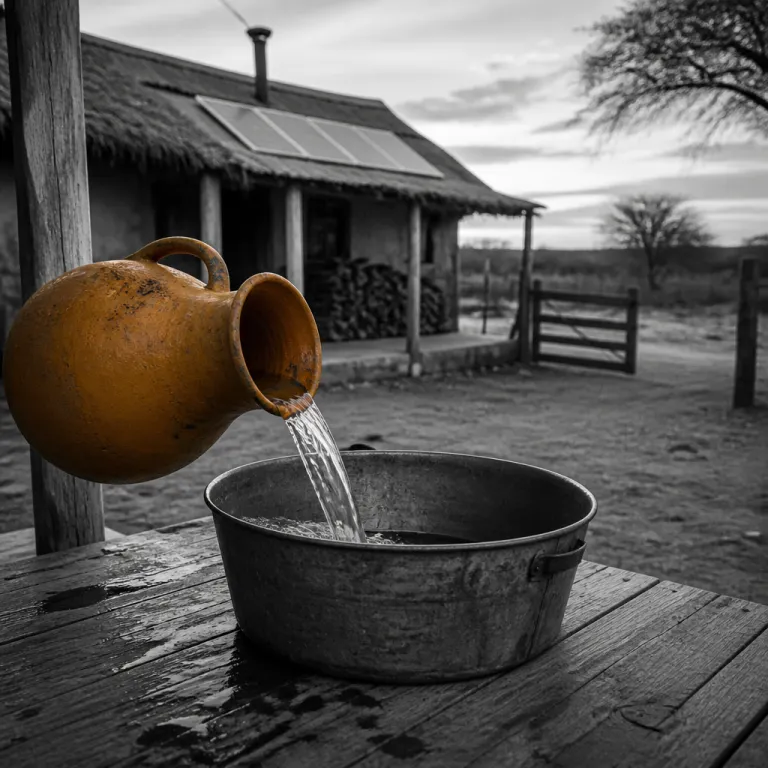
Reaching the Paraguayan Chaco: the long road to Campo Alegre
The journey to a community run estancia in the Paraguayan Chaco begins long before you see cattle fences. Your chaco estancia paraguay story usually starts in Asunción capital, where you trade city cafés for a seat on a sturdy 4x4 or long distance bus. As the kilometres slip by, the trans Chaco highway becomes your first real window into the vast chaco region.
Leaving the urban edge of Paraguay behind, the landscape flattens and the sky widens in every direction. You pass small town clusters where local shops sell tereré gourds, and where transport options thin out quickly once you leave the main road. This is where patient travelers feel the pull of the region Paraguay calls the Chaco paraguay, a frontier that still rewards those willing to explore slowly.
Most luxury minded guests heading toward Campo Alegre or another estancia near Filadelfia arrange private transport through a trusted guide or hotel concierge. The ride from Asunción capital to the Mennonite town of Filadelfia can take most of a day, especially if roadworks or weather slow the trans Chaco route. From this Mennonite hub, a 4x4 transfer carries you deeper into the Paraguayan Chaco, where forests wetlands give way to ranch gates and the first hints of your off grid experience.
Filadelfia itself feels like a curious threshold between worlds, with German speaking Mennonite families, Indigenous communities and Spanish speaking Paraguayans sharing the same dusty streets. Here you can stock up on cash for local purchases, insect repellent and extra water before continuing toward your chosen estancia. For many travelers, this is the start journey moment when the chaco estancia paraguay dream shifts from map to reality, and the chaco best experiences begin to feel tangible.
As you leave Filadelfia behind, the road narrows and the sense of isolation deepens with every kilometre. Your guide points out the transition from humid Chaco vegetation to drier scrub, explaining how the chaco region divides into humid Chaco and drier zones that shape both wildlife and ranching life. By the time you reach Campo Alegre, the local sky is streaked with orange, and the gate of the estancia feels like a quiet promise of both comfort and raw nature.
For travelers used to quick hops between city hotels, this long approach reframes what luxury means in this part of Paraguay. Here, the best experiences start with the willingness to ride out the distance, to accept that the chaco national landscape sets the pace rather than any timetable. If you can embrace that, the chaco estancia waiting at the end of the track becomes far more than a place to sleep.
Those planning their travel through myparaguaystay.com often pair this remote stay with other hidden gems in Paraguay, using curated guides to balance wilderness with comfort. A useful starting point is the overview of hidden gems and premium hotel experiences, which helps you understand how an off grid estancia night fits into a wider itinerary. In the end, reaching the Paraguayan Chaco is less about logistics and more about accepting that the journey itself is part of the experience.
Evening arrival: first contact with a community run estancia
By the time you roll through the gate of a community run estancia near Campo Alegre, the light has softened and the air carries a faint scent of dust and cattle. Community members step forward as hosts, offering a handshake and a quiet welcome that feels more like arriving at a family gathering than checking into a hotel. This is where the chaco estancia paraguay experience diverges sharply from conventional luxury stays in Paraguay.
Your room is usually simple but thoughtfully prepared, with crisp linens, a strong fan and perhaps a mosquito net tucked over the bed. You will not find marble bathrooms or a spa menu, yet the sense of care in these local spaces often feels like a different kind of luxury. In a region Paraguay often markets for its wilderness rather than its comfort, that attention to detail matters.
Before dinner, there is usually time for a short walk around the property with a local guide. You might pass gauchos returning from a late ride, saddles slung over shoulders, lassos coiled after a long day of cattle work. The estancia grounds can stretch across tens of thousands of hectares, and while you will only explore a small part, the scale of the Paraguayan Chaco becomes immediately clear.
As darkness settles, you gather with other guests and hosts at a long wooden table for a shared meal. This is where the phrase "Experience traditional estancia life." stops being a brochure line and becomes your reality. Plates of slow cooked beef, mandioca and fresh salads appear, and the conversation flows between Spanish, German and Indigenous languages, reflecting the layered local culture of the chaco region.
Community members explain how they manage the estancia collectively, blending cattle herding with eco tourism and cultural immersion experiences. Their goals are straightforward yet ambitious, aiming to support the local economy, promote cultural exchange and encourage sustainable tourism that respects both land and people. In this setting, the chaco best stories come not from polished marketing but from the lived experience of those who call this land home.
After dinner, someone might bring out a guitar or harp, and the evening shifts into a quiet celebration local in the courtyard. You sit under a sky so clear that the Milky Way feels almost within reach, and the silence between songs becomes part of the performance. For many solo travelers, this is the moment when the chaco estancia paraguay stay stops feeling like a tour and starts feeling like a rare privilege.
When you finally step back to your room, the darkness is almost total, broken only by a few distant lights from the main house. The night sounds of the Paraguayan Chaco replace city traffic, with insects, distant cattle and the occasional bird call weaving into a gentle soundtrack. It is not the controlled quiet of a city hotel, but a living, breathing silence that reminds you exactly where you are.
Night in the Paraguayan Chaco: silence, stars and subtle luxury
Once the generators power down and the last voices fade, the night in the Paraguayan Chaco settles around you like a soft blanket. The air can feel surprisingly cool after the heat of the day, especially outside the most humid Chaco zones. In this darkness, the concept of luxury shifts again, away from amenities and toward the rare privilege of true quiet.
From your simple room in the estancia, you may step outside to watch the stars, using the open sky as your private observatory. The forests wetlands and scrub around Campo Alegre form a dark ring at the horizon, framing constellations that city dwellers rarely see. For many guests, this becomes the best window into the scale of the chaco national landscape, a reminder that this region Paraguay protects is one of South America’s great wilderness areas.
Sleep here is deep but punctuated by the sounds of the land, from distant cattle to the occasional rustle in the brush. You are staying in a working estancia, not an isolated lodge, so the rhythms of ranch life continue even as guests rest. Gauchos may rise before dawn, their quiet movements part of the background soundtrack of your chaco estancia paraguay night.
Community members take safety seriously, explaining where to walk after dark and how to move around the property. They know the Paraguayan Chaco intimately, from the behaviour of local wildlife to the quirks of the weather in both dry season and wetter months. Their presence offers a reassuring layer of expertise in a region that can feel intimidatingly vast to first time visitors.
For solo travelers used to constant connectivity, the absence of reliable signal can feel unsettling at first. Yet by the middle of the night, many guests find that this enforced disconnection becomes one of the best experiences of their stay. Without notifications, your attention shifts fully to the textures of the chaco region, from the cool night air to the distant glow of stars over del Chaco.
In these hours, you may find yourself reflecting on why you chose to travel to Paraguay rather than more obvious destinations. Articles such as the analysis of why Paraguay is still undersold for luxury travelers often mention this sense of solitude as a defining asset. Experiencing it first hand at a chaco estancia turns theory into something you can feel in your bones.
By the time the first faint light appears in the east, you understand that this night has been less about sleep and more about recalibration. The Paraguayan Chaco has its own tempo, and a community run estancia invites you to match it rather than impose your own. That alignment, subtle yet profound, is what many guests remember long after they leave.
Dawn to dusk: the daily rhythm of estancia life
Morning in the Paraguayan Chaco arrives with a soft grey light and a chorus of birds. You wake early, not because of an alarm, but because the estancia itself is already stirring. This is when the chaco estancia paraguay experience reveals its most intimate details.
Before the heat builds, a local guide may lead a short wildlife walk along fence lines and shallow wetlands. You move quietly, scanning for deer, armadillos or the tracks of larger animals that roam this part of the chaco region. While sightings of jaguars or tapirs are rare, the knowledge that they share these forests wetlands adds a quiet thrill to every step.
After breakfast, the day often shifts toward learning unique aspects of estancia life through hands on activities. You might join gauchos for a gentle horseback ride, feeling the sway of the saddle as you cross open pasture. For those comfortable in the saddle, there can be opportunities to observe cattle herding, watching how traditional skills adapt to the realities of the Paraguayan Chaco.
As the sun climbs and the humid Chaco heat intensifies, activity slows and shade becomes the true luxury. Guests and hosts gather under trees or in breezy galleries, sharing tereré and stories about the region Paraguay calls its wild heart. This is where you hear how "A large rural estate in Latin America." is not just a definition of an estancia, but a lived reality shaped by climate, cattle and community.
Afternoons may bring informal tours of the property, focusing on sustainable tourism practices and land management. Community members explain how they balance cattle production with conservation, protecting patches of native forest and wetlands that support local wildlife. For travelers interested in eco tourism growth, these conversations offer a rare, unfiltered view of the challenges and opportunities in the Paraguayan Chaco.
Later in the day, temperatures ease and the estancia comes alive again with movement. Another ride might take you toward a distant waterhole, or a guided walk may focus on birdlife as flocks move across the sky. These experiences are not packaged shows but glimpses into the real daily rhythm of a working chaco estancia, shaped by weather, animals and people rather than fixed timetables.
As evening approaches, the cycle repeats with small variations, each day layering new details onto your understanding of this region. You begin to anticipate the shift in light, the way shadows lengthen across del Chaco, the subtle cues that signal when it is time to rest. In this slow unfolding, the best experiences are often the quietest ones, shared between guest and host over a simple meal or a final cup of mate.
Cultural layers, national parks and who this trip is really for
Spending a night at a community run estancia in the Paraguayan Chaco also means stepping into a complex cultural mosaic. Nearby Mennonite towns such as Filadelfia, Loma Plata and Neuland add a distinctive layer, with German speaking dairy farmers shaping much of the local economy. Their presence, alongside Indigenous communities and Spanish speaking Paraguayans, creates a chaco region where multiple histories intersect.
Many estancias collaborate with Mennonite and Indigenous partners to offer guided tours that go beyond wildlife and cattle. A day trip into Filadelfia might include visits to cooperatives, museums and local cafés, offering a different perspective on life in this remote part of Paraguay. Back at the estancia, conversations with community members often touch on how these cultures coexist, sometimes in harmony, sometimes in quiet tension.
For travelers interested in protected areas, the wider chaco national park network and other reserves in the Paraguayan Chaco provide important context. While your estancia stay may not sit directly inside a national park, hosts often share insights about nearby conservation zones and the challenges of protecting forests wetlands in both dry season and wetter months. These discussions ground your chaco estancia paraguay experience in the broader environmental story of the region Paraguay is still writing.
This kind of trip suits a particular type of traveler, and it is worth being honest about that. If you need constant connectivity, structured entertainment and quick transport between attractions, you may be happier staying in Asunción capital or focusing on more accessible regions. Those who thrive here tend to be patient, curious and comfortable with a degree of unpredictability in both logistics and daily plans.
For solo explorers, the community run model offers both safety and meaningful connection. Local hosts know the land intimately, from the best routes during the dry season to the realities of moving around when rains affect the trans Chaco road. Their presence turns what could feel like an isolated adventure into a supported, shared experience that still respects your independence.
Many guests choose to weave this off grid stay into a broader itinerary that includes other parts of Paraguay, from the Jesuit mission towns near Encarnación to emerging luxury properties in the south. Planning tools such as the slow luxury itinerary for the Jesuit missions around Trinidad help you balance wilderness with culture and comfort. In that wider context, a night at a chaco estancia becomes one chapter in a longer story of learning unique aspects of Paraguayan life.
Ultimately, what makes this experience stand out is not a single activity or view, but the way it reframes your sense of luxury. Here, the best experiences are measured in shared stories, unhurried meals and the feeling of being briefly woven into the fabric of a local community. For those willing to travel the distance, the Paraguayan Chaco offers a rare kind of quiet that lingers long after you have left del Chaco behind.
Practical guidance for planning your own Chaco estancia night
Planning a night at a community run estancia in the Paraguayan Chaco requires more preparation than booking a city hotel, but the rewards justify the effort. Start journey planning by deciding how far off grid you are comfortable going, and how much time you can allocate to the chaco region within your wider Paraguay itinerary. From there, you can work with trusted operators or platforms like myparaguaystay.com to match you with the right chaco estancia.
Transport is the first major decision, since distances are long and infrastructure can be basic once you leave main roads. Many travelers arrange private 4x4 transfers from Asunción capital or Filadelfia, ensuring both comfort and flexibility in a region where public options are limited. If you choose to self drive, be realistic about your experience with remote routes, and remember that conditions can change quickly between dry season and wetter months.
When selecting an estancia, look beyond marketing language and focus on how community run the project truly is. Ask who owns the land, who benefits financially and how local culture is integrated into daily operations rather than staged for guests. Genuine community members as hosts, involvement of gauchos in sharing their skills and transparent partnerships with local organizations are all positive signs.
Pack with the climate and remoteness in mind, prioritizing light clothing, insect repellent and any personal medications you might need. Cash is essential for local purchases, tips and any extra experiences that may not be included in your initial booking. Remember that while some estancias provide modern amenities, others offer more rustic experiences, and both can be rewarding if you arrive with the right expectations.
Think carefully about how this stay fits into your broader travel narrative across Paraguay. Some guests pair the wild quiet of the Paraguayan Chaco with time in national park areas elsewhere in the country, or with cultural stays in towns where celebration local festivals bring streets to life. Others combine it with more polished luxury properties, using the contrast to deepen their appreciation of both sides of the country.
For those still unsure whether this kind of off grid experience is right for them, it can help to start with a shorter overnight stay before committing to longer tours. One night is enough to feel the rhythm of estancia life, from dawn walks to evening rides, and to decide whether you want to explore deeper into chaco paraguay on a future trip. Either way, approaching the journey with openness, patience and respect for local culture will ensure that your time in del Chaco leaves a positive mark on both you and the people who welcome you.
FAQ
What is an estancia in Paraguay’s Chaco ?
An estancia in Paraguay’s Chaco is a large rural estate that combines cattle ranching with guest accommodation. These properties can cover tens of thousands of hectares, often including pasture, scrub and patches of native forest. In the Paraguayan Chaco, some estancias are now community run, blending traditional ranch life with sustainable tourism.
Are estancias in the Chaco suitable for solo travelers ?
Estancias in the Chaco can be very suitable for solo travelers who value authenticity and connection. Community members act as hosts, offering shared meals, guided walks and horseback rides that naturally create conversation. The key is choosing a property with clear safety protocols, reliable guides and a track record of welcoming independent guests.
Do Chaco estancias provide modern amenities or are they very rustic ?
There is a spectrum of comfort across Chaco estancias, from simple rustic rooms to more polished guesthouses. Some properties offer private bathrooms, strong fans and limited Wi Fi, while others focus on basic essentials and immersive experiences. When booking, ask detailed questions about power, water, bedding and connectivity so the level of comfort matches your expectations.
What activities can guests usually join during an overnight stay ?
Typical activities during an overnight stay include horseback riding, wildlife walks, informal cattle herding demonstrations and traditional cooking sessions. Guests often join dawn or dusk outings when temperatures are lower and animals are more active. Many community run estancias also offer cultural exchanges, such as story sharing with hosts or visits to nearby Mennonite towns.
How many nights should I plan at a Chaco estancia ?
One night is enough to experience the basic rhythm of estancia life, from evening arrival to dawn activities. However, many travelers find that two or three nights allow for deeper immersion, especially if they want to explore nearby towns or conservation areas. The longer stay also builds in flexibility for weather changes, which can affect roads and outdoor plans in the Paraguayan Chaco.