Gastronomik paraguay 2026 reshapes luxury travel in Asunción
At Paseo La Galería in Asunción, gastronomik paraguay 2026 has quietly become the main reference point for Paraguay’s new high end food narrative. Over two concentrated days, more than 70 companies and over 5 000 professionals from the gastronomic industry and retail sector used the event to test ideas, compare service standards and talk frankly about how to welcome food curious travelers who expect polished hotel experiences. For anyone booking a premium room in Asunción Paraguay today, the impact is already visible in menus, room service cards and concierge recommendations.
The format of gastronomik paraguay 2026 was deliberately practical, with workshops, live demonstrations and panel discussions running from mid afternoon into the evening. Organizers leaned on digital innovation, using interactive voting platforms and the new “Fuego Nuevo” digital recipe book as tools that hotels and restaurants can adapt into guest facing solutions over time. The presence of the National Tourism Secretariat (SENATUR) signaled that gastro tourism is no longer a side project in Paraguay, but a strategic pillar for the wider tourism industry.
For luxury travelers, the most important shift is how hotels now position gastronomy as a core part of their professional service, not an afterthought. General managers in Asunción speak openly about aligning their privacy policy, sustainability commitments and culinary sourcing in one coherent policy that can be explained at check in. When you compare this to many properties in Buenos Aires or other regional capitals, Paraguay feels like a smaller market using its size to move faster and integrate gastronomica identity into every guest touchpoint.
Ruta del Mbeju and the rise of the Asunción dining map
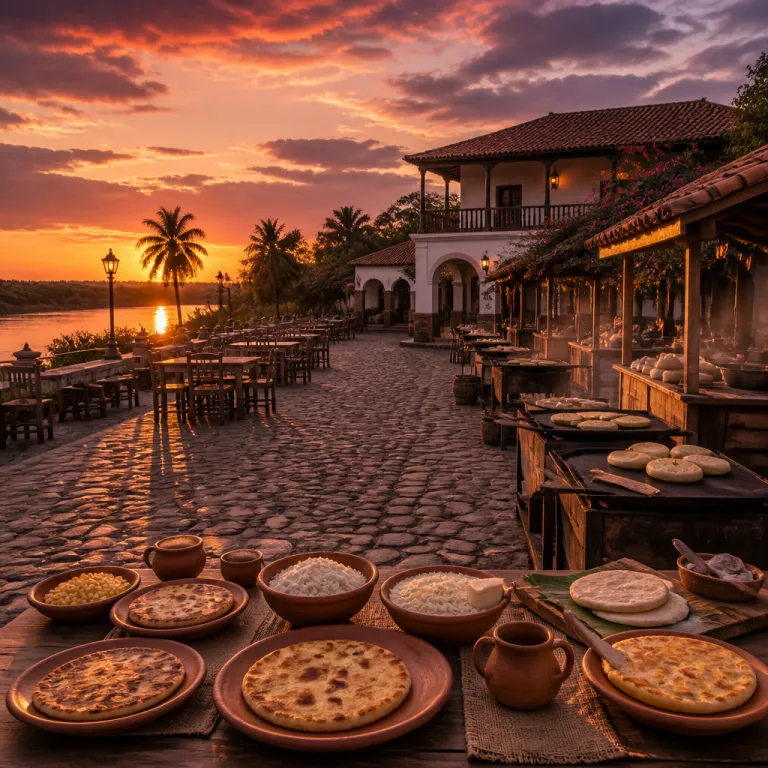
The headline innovation at gastronomik paraguay 2026 was the launch of the Ruta del Mbeju, a mapped trail of establishments serving Paraguay’s signature cassava and cheese flatbread. Public voting via Instagram turned a traditional comfort food into a contemporary experience, giving hotels in Asunción Paraguay a ready made itinerary they can print, share by QR code or integrate into their concierge service. For a solo traveler checking into a riverside suite, that means you can move from lobby to street level food exploration in minutes, with professional guidance rather than guesswork.
One of the most quoted explanations during the event was simple and precise : “What is mbeju?” and “What is the 'Ruta del Mbeju'?” and “Who is Andrés Ugaz?”. The answers were presented as follows : “A traditional Paraguayan flatbread made from cassava starch and cheese.” and “An initiative to map and promote the best mbeju-serving establishments in Paraguay.” and “A Peruvian chef known for creating the Callao Gastronomic Route.”. For hotel guests, those clear definitions make it easier to understand why a humble plate of mbeju now appears on tasting menus, poolside snacks and late night room service trays.
Asunción’s new generation of chefs is using this momentum to anchor the city on the regional map that already includes Buenos Aires and other South American capitals. At Cocina Clandestina, Pakuri and Óga, tasting menus now reference mbeju, native herbs and river fish in ways that feel precise rather than nostalgic, and luxury hotels are racing to secure preferred reservation access for their guests. Anyone planning an evening that moves from a rooftop drink to a long dinner can use curated guides such as the detailed Asunción by night rooftop and dinner overview on this dedicated nightlife and dining page, then ask their concierge to align timings with the Ruta del Mbeju stops.
How luxury hotels translate Gastronomik into concrete guest experiences
Behind the scenes, gastronomik paraguay 2026 functioned as a working lab where hotel F&B directors, chefs and suppliers from Paraguay and Buenos Aires compared notes on guest expectations. Many of these professionals operate across both markets, flying between Asunción and Buenos Aires Aires in a single week, and they are now applying the same level of professional rigor to Paraguayan dining rooms that they once reserved for larger markets. The result is a new generation of hotel restaurants where a clear privacy policy sits alongside a precise wine list, and where service teams are trained to explain both the origin of the mbeju and the hotel’s data privacy standards with equal confidence.
Families booking suites or connecting rooms will notice the change first at breakfast, where mbeju, local cheeses and seasonal fruit now sit beside international staples in properties featured in guides such as the family friendly luxury overview on this in depth hotel selection. In the evening, concierges propose tailored gastronomica itineraries that link a pre dinner tereré under a lapacho tree with reservations at Pakuri or Óga, then a late night stroll back through the city’s quiet streets. Time poor travelers benefit from these curated solutions, which compress what used to require days of research into a single, well structured night out.
New openings such as Patio Colonial, led by Michelin recommended chef Dave Soady and profiled in detail on this dedicated Patio Colonial feature, show how the hospitality sector is now comfortable presenting Paraguay’s cuisine with international confidence. Event partners like Market Comunicaciones emphasize that the same attention applied to a hotel’s privacy policy or booking engine should extend to how gastronomik stories are told on websites, menus and social channels. For travelers reading about gastronomik paraguay 2026 today, the message is clear : this is the moment when Paraguay’s hotels, restaurants and wider industry aligned around food as a defining luxury experience, not just an optional extra.