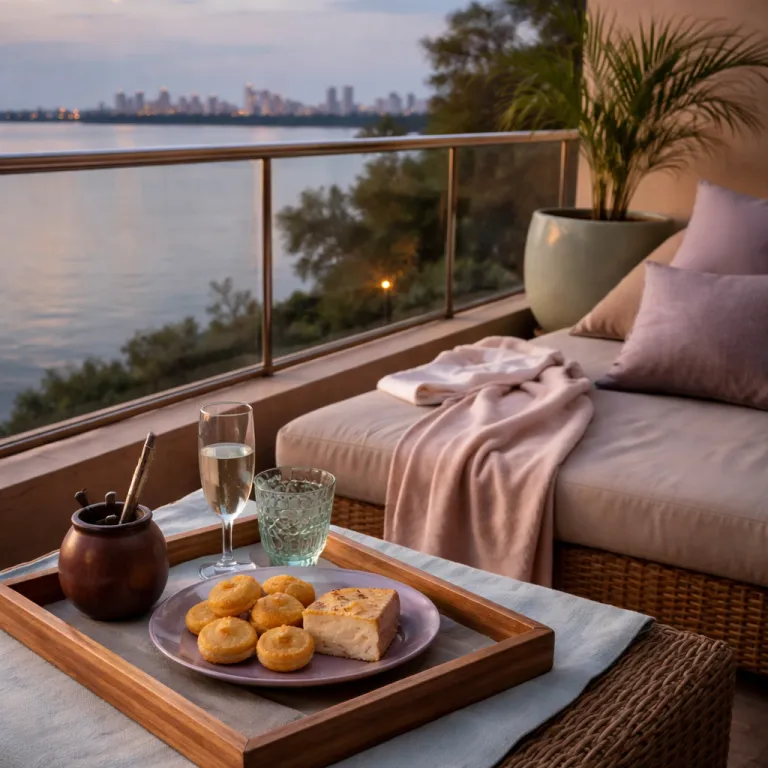
Why travel Paraguay now for a luxury family trip
Paraguay sits quietly in the heart of South America, yet it rewards families who value space, calm and genuine hospitality. This is a country where international travel still feels personal, and where luxury hotels know their guests by name rather than room number. When you plan to travel Paraguay with children, you gain rare access to South America without the crowds that often push families away from top destinations.
For premium travelers, the appeal starts in Asunción Paraguay, where the Paraguay capital mixes river views, leafy avenues and a growing scene of high end hotels. The capital Asunción offers international travel connections, reliable road travel options and a compact layout that lets families avoid long transfers between areas and activities. Many people pair Asunción with Argentina or Brazil, using the country as a calm base between Iguazú Falls, Ciudad del Este and other louder corners of Latin America.
Safety and planning matter for any Paraguay travel, especially with children who tire quickly in the heat and humidity. Official travel advisories from the U.S. Department of State currently advise visitors to “Exercise normal precautions in Paraguay; some areas have increased risk,” so families should review the latest Paraguay travel advisory before departure and match their itinerary to current guidance, especially for rural regions and late night road travel (U.S. Department of State, travel.state.gov). In practice, this means checking the advisory again a few days before you fly and avoiding spontaneous long drives after dark.
Entry rules are straightforward for most visitors, which keeps the focus on where to stay and what to do. According to the Paraguayan Ministry of Foreign Affairs and the U.S. Department of State, U.S. citizens do not need a visa for tourism stays of up to 90 days, provided they hold a valid passport and receive an entry stamp on arrival. Always check the latest guidance from the Paraguayan Government or your own foreign affairs department, and ensure your travel insurance and passports match the duration of your stay in Paraguay.
Language is another practical layer that shapes how you travel Paraguay with a family. English is not widely spoken, and Spanish and Guaraní are the two official languages recognized by the Paraguayan Constitution (Gobierno de la República del Paraguay). Take time to learn a few common phrases in Spanish and Guaraní, because local people respond warmly when children try a greeting or thank you in the country’s two official languages, and simple words like “agua,” “gracias” and “por favor” make everyday logistics easier.
Asunción as a family base: culture, river views and refined hotels
Asunción is the natural starting point for most international travel into Paraguay, and it works beautifully as a soft landing for families. The city’s riverside Costanera offers a wide promenade where children can run, ride scooters and enjoy the water views across the Paraguay River. Parents appreciate that the Paraguay capital remains manageable in size, so even top luxury properties sit within a short drive of museums, parks and the historic center.
In central Asunción Paraguay, families can walk between the López Palace, the Independence House museum and the riverside in a single morning. These areas give a gentle introduction to the country’s history, from colonial architecture to the modern state institutions that now govern this South America nation. Many premium hotels in the capital Asunción, such as the elegant Palmaroga Hotel or the Sheraton Asunción, arrange private guides who tailor city tours to children, mixing short museum visits with ice cream stops and shaded playgrounds near the water.
Evenings in Asunción suit families who care about food and calm rather than nightlife. Upscale restaurants in neighborhoods like Carmelitas and Villa Morra serve refined Paraguayan food and drink, including chipa, sopa paraguaya and grilled meats, alongside international options for less adventurous children. When you plan to travel Paraguay with younger people, choose dinner reservations early in the evening, then retreat to a hotel pool or terrace before the city’s common late dining hours begin.
Hotel selection in Asunción can shape the entire trip, because a restful first and last night sets the tone for Paraguay travel with children. Our guide to elegant stays in the heart of Asunción highlights properties with interconnecting rooms, quiet pools and concierge teams used to international travel expectations. One local guide summed it up neatly: “Families remember the feeling of arriving and exhaling, so we focus on smooth airport pickups and quick check in.” Look for hotels that offer airport transfers, flexible check in and late check out, especially if your flight schedule crosses several time zones in Latin America.
From Asunción, families can plan day trips into nearby rural areas without changing hotels every night. Road travel to destinations like Lake Ypacaraí or the surrounding hills usually takes less than two hours, which keeps children fresh and parents relaxed. Always carry water, insect repellent and light snacks, because service stations between urban areas in Paraguay can be sparse compared with other parts of South America, and child seats are not always guaranteed in local taxis unless you request them in advance.
Lake Ypacaraí and San Bernardino: water, Highlands Park and family time
Lake Ypacaraí lies northeast of Asunción, forming a classic weekend escape for Paraguay families who want cooler air and water views. The town of San Bernardino, on the southern shore, has long been a top summer address for the country’s elite, and it now offers a small but polished selection of premium guesthouses and lakeside villas. For people planning to travel Paraguay with children, this area offers a gentler alternative to the louder resort strips found elsewhere in South America.
While the lake itself has faced water quality concerns, many properties offer controlled pool areas and private access to cleaner stretches of shoreline. Ask your hotel directly about current water conditions, and follow local advice on where to swim or sail with children. Families who prefer to avoid lake swimming can still enjoy boat trips, stand up paddle sessions with life jackets and lakeside walks at sunset, which frame a memorable view of the surrounding hills.
Highlands Park and nearby green spaces around San Bernardino give children room to move after city days in Asunción Paraguay. These areas combine playgrounds, shaded paths and occasional cultural events, which help younger travelers learn how local people relax away from the Paraguay capital. When you travel Paraguay as a family, balance structured excursions with unhurried park time, because the country’s slower rhythm is part of its luxury.
Accommodation around Lake Ypacaraí ranges from simple cabins to premium villas with staff, so careful selection matters. Our regional guide on where to stay in Paraguay outlines which lakeside properties deliver consistent service, reliable food and drink and safe access to the water. For international travel with children, prioritize places that confirm fenced pools, shaded outdoor dining and flexible meal times that match your home time zone.
Reaching San Bernardino from Asunción involves straightforward road travel of roughly 50 kilometres, usually under ninety minutes outside peak holiday weekends. Families should avoid driving after dark, because rural areas between the capital and the lake have limited lighting and more unpredictable traffic. Good travel tips include booking a trusted driver through your hotel, carrying travel insurance that covers road incidents and keeping insect repellent handy for dusk stops.
Jesuit missions, Encarnación and Ciudad del Este: culture between rivers
For many families who travel Paraguay, the Jesuit missions of Trinidad and Jesús de Tavarangue are the cultural highlight of the trip. These UNESCO listed ruins sit in the department state of Itapúa, near the Paraná River and the border with Argentina, and they offer a tangible way for children to learn about Latin America’s layered history. The stone churches, plazas and carved details feel more like an open air classroom than a museum, especially when visited with a patient local guide.
Base yourself in Encarnación, a riverfront city with a long sandy beach and a growing selection of comfortable hotels. From here, private transfers to the Jesuit missions take around one hour, which keeps the day manageable for younger people and leaves time for a swim in the late afternoon. Families should avoid the hottest midday hours at the sites, planning instead for early morning or late afternoon visits when the light softens and the view across the countryside turns golden.
Nearby Ciudad del Este, in the department state of Alto Paraná, serves mainly as a commercial hub but still plays a role in some Paraguay travel itineraries. Many international travel routes link Ciudad del Este with Iguazú Falls in Argentina and Brazil, creating a triangle of river cities and waterfalls that appeals to families who want variety. When you travel Paraguay through this corridor, choose hotels that understand cross border logistics, because customs lines and road travel times can change quickly.
Food and drink in Encarnación and Ciudad del Este reflect the borderland character of this part of South America. Children can try Paraguayan classics alongside Argentine style grilled meats and Brazilian snacks, while parents enjoy riverfront terraces with a view of the lights across the water. As always when you travel Paraguay with family, choose restaurants that cook food thoroughly, serve filtered water and maintain common hygiene standards, which supports overall travel health.
Because these regions sit far from the Paraguay capital, advance planning matters more than in Asunción. Check current travel advisories for the border areas, confirm transfer times with your hotel and ensure your travel insurance covers international crossings if you plan to visit Iguazú Falls. Families who prefer to stay within one country can still enjoy several days in Encarnación, combining the Jesuit missions, riverfront walks and relaxed hotel time without crossing into Argentina or Brazil.
Nature windows: Chaco, Mbaracayú and when to bring children
Paraguay’s wild side sits mainly to the west and northeast, where the Chaco and the Mbaracayú Forest Reserve offer very different nature experiences. The Chaco is a vast, sparsely populated region of dry forests and wetlands, better suited to older children who can handle heat, insects and long stretches of road travel. Families planning to travel Paraguay with teenagers often find that a two night Chaco stay delivers enough wildlife and adventure without overwhelming younger people.
Luxury and premium lodges in the Chaco focus on birdwatching, night drives and encounters with the region’s unique flora and fauna. These rural areas require careful attention to travel health, including up to date vaccinations, insect repellent and sun protection, especially during the hotter months in this part of South America. Parents should avoid overpacking the schedule, because the combination of heat, long distances and intense experiences can quickly exhaust even enthusiastic travelers.
The Mbaracayú Atlantic Forest, in the northeast of the country, offers a softer introduction to nature for families. Here, humid forest, rivers and well managed trails create a more forgiving environment for children who are new to Latin America’s ecosystems. When you travel Paraguay with school age children, a two or three night stay in this region can balance Asunción’s urban culture with guided walks, river swims in safe water areas and night sky sessions far from city lights.
Accommodation standards in these nature reserves vary, so premium travelers should work with specialists who know which lodges meet international travel expectations. Some properties offer family cabins, hot water, reliable electricity and structured activities, while others remain more basic and better suited to seasoned adventurers. Always confirm safety protocols, guide qualifications and emergency evacuation options before committing, and ensure your travel insurance covers remote areas within the country.
For many families, the most realistic approach is to choose either the Chaco or Mbaracayú, not both, within a seven to ten day Paraguay travel plan. This avoids excessive road travel and gives children time to absorb what they learn about wildlife, conservation and local communities. The reward for this measured approach is a trip that feels both luxurious and grounded, where people return home with a deeper view of Paraguay than a simple checklist of top sights.
Seven day family itinerary logic and practical travel tips
A well paced seven day itinerary lets families travel Paraguay without rushing, while still touching several of the country’s top regions. One common pattern starts with two nights in Asunción, followed by two nights at Lake Ypacaraí or San Bernardino, then three nights in Encarnación for the Jesuit missions and riverfront time. This structure minimizes one night stays, reduces packing stress and keeps road travel segments under five hours, which suits most children.
Another option for people who value nature more than water views is to swap the lake for Mbaracayú or a carefully chosen Chaco lodge. In that case, consider three nights in the Paraguay capital, two nights in the forest or Chaco, then two nights back in Asunción Paraguay to decompress before your international travel home. Our detailed guide to elegant stays in Asunción helps you choose properties that make these transitions feel seamless rather than tiring.
Practical travel tips for Paraguay start with climate and packing. The country has a subtropical climate with hot summers and mild winters, so light clothing, hats and refillable water bottles are essential for both urban and rural areas. Families should avoid midday excursions in peak heat, plan indoor museum visits during those hours and keep insect repellent, sunscreen and snacks in a small day bag for every outing.
Money and logistics also shape how you travel Paraguay with children. The local currency is the guaraní (PYG), issued and regulated by the Banco Central del Paraguay, and official advice recommends that visitors use authorized exchange services or ATMs linked to major banks to avoid counterfeit currency (Banco Central del Paraguay, bcp.gov.py). Many top hotels accept international cards, but smaller food and drink outlets, rural guesthouses and roadside stalls often prefer cash, so withdraw enough for tips, taxis and incidental purchases before leaving the Paraguay capital.
Finally, think about communication and support before your trip. English is not widely spoken outside premium hotels, so learning a few common Spanish phrases helps with taxis, food orders and simple requests in both cities and rural areas. For peace of mind, choose travel insurance that covers medical care, evacuation from remote areas and cancellations, then share your itinerary with a trusted contact in your home country before you travel Paraguay with your family.
Key statistics for planning luxury family travel in Paraguay
- Paraguay has a population of around 7 million people, which keeps even its top destinations relatively uncrowded compared with larger South America neighbors (Dirección General de Estadística, Encuestas y Censos, Paraguay).
- The country recognizes two official languages, Spanish and Guaraní, so international travel families should expect limited English outside major hotels and plan to learn basic phrases (Constitución Nacional de la República del Paraguay).
- The Paraguayan currency is the guaraní (PYG), and the reference exchange rate is published daily by the Banco Central del Paraguay; travelers should check current market rates shortly before each trip rather than relying on outdated examples (Banco Central del Paraguay, bcp.gov.py).
- Recent years have seen increased tourism interest in Paraguay, driven by growing awareness of Guaraní culture and a global emphasis on sustainable travel practices, which benefits rural areas and nature reserves (Secretaría Nacional de Turismo, Paraguay).
- Current guidance highlights that travelers should ensure passport validity for the full stay duration and obtain an entry stamp upon arrival, which are simple but essential steps for smooth Paraguay travel (Ministerio de Relaciones Exteriores del Paraguay; U.S. Department of State).
FAQ about luxury and premium family travel in Paraguay
Do I need a visa to enter Paraguay for a family holiday ?
U.S. citizens do not need a visa for stays up to 90 days, which simplifies family planning and allows more focus on hotel selection and internal routes (U.S. Department of State, Paraguay country information). Travelers from other countries should check with their own department state or foreign ministry, as rules vary by nationality. Always verify entry conditions with the nearest Paraguayan embassy or consulate before you travel Paraguay, because regulations can change.
Is English widely spoken in Paraguayan hotels and restaurants ?
In top hotels in Asunción Paraguay and major cities like Encarnación, front desk and management staff usually speak functional English. Outside these areas, especially in rural areas, nature lodges and small food and drink outlets, Spanish and Guaraní dominate daily communication. Families should learn key phrases or use translation apps, and children often enjoy practicing greetings in the country’s two official languages.
What is the climate like, and how should families pack ?
Paraguay has a subtropical climate with hot summers and mild winters, so lightweight clothing, hats and sun protection are essential for most of the year. Families planning to travel Paraguay with children should pack refillable water bottles, insect repellent and breathable layers for both cities and nature reserves. A light sweater or jacket is useful for cooler evenings in the Paraguay capital and higher areas near Lake Ypacaraí.
Is Paraguay safe for road travel with children ?
Main highways between Asunción, Encarnación and Ciudad del Este are generally in reasonable condition, but driving standards and lighting can vary. Families should avoid night driving, use trusted drivers arranged through premium hotels and ensure child seats are available for younger people. Check current travel advisories from your home country and confirm that your travel insurance covers road incidents within Paraguay.
How can families manage food, water and travel health during their stay ?
In high end hotels and reputable restaurants, tap water is often filtered, but many international travel families still prefer bottled water for children. Choose food that is freshly cooked and served hot, avoid raw salads in more remote areas and carry basic medication for common stomach upsets. Good travel health practice in Paraguay also includes regular handwashing, sun protection and keeping children hydrated during long days in both urban and rural areas.