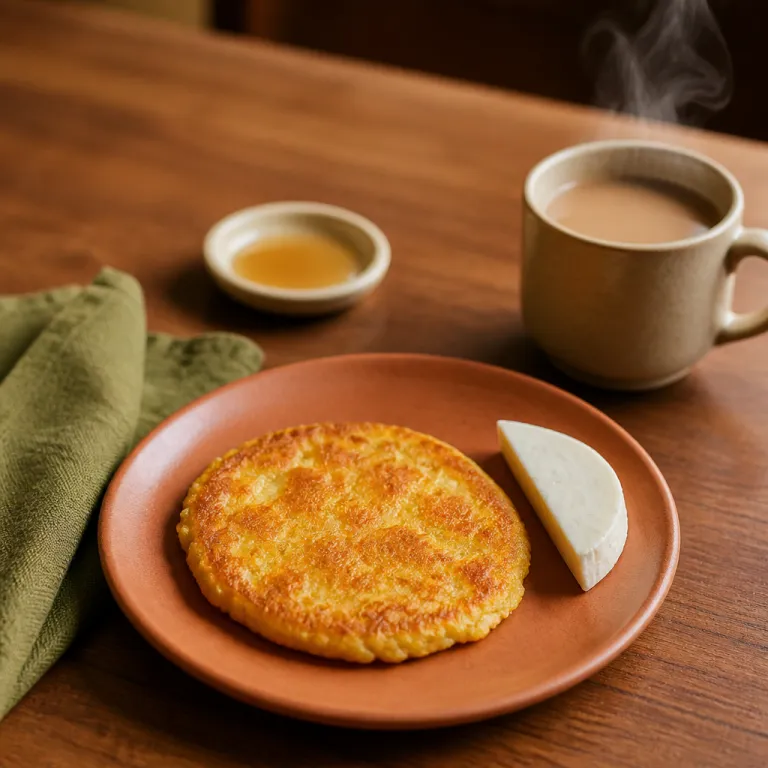
Why paraguayan breakfast food is the real luxury check in
In Paraguay, the most revealing luxury is often the first breakfast tray. A thoughtful hotel uses paraguayan breakfast food to introduce you to the country’s rich culinary story, long before you see the spa menu or the pool. For a solo traveler, that first paraguayan breakfast in a quiet dining room can feel like a private seminar in culture Paraguay and Guaraní heritage.
Paraguayan hotels that understand their role as hosts treat the morning table as a daily culinary experience, not a rushed amenity. Many properties now frame breakfast as a slow food ritual, aligning with the national habit of an unhurried start day where guests are encouraged to linger over each traditional Paraguayan dish. This is where you meet the foundations of Paraguayan cuisine, from corn and cassava to fresh cheese and local honey, presented as both individual dish and part of a wider family of dishes.
Across Paraguay, about 85 percent of quality hotels offer some form of traditional breakfast service, according to the Paraguayan Hotel Association. That means you are likely to encounter at least a few typical Paraguayan dishes such as chipa, sopa paraguaya and mbeju alongside more international bread and eggs. The best luxury properties in South America use these plates to signal seriousness about sourcing, working with local markets, cheese producers and small farms to keep the food both seasonal and rooted in Guaraní and Spanish traditions.
Cocido, mate and the quiet power of the breakfast cup
Your first decision at a Paraguayan breakfast table is rarely about food; it is about the cup. Cocido, the smoked yerba mate drink brewed with sugar and sometimes milk, sits beside coffee and tea, quietly announcing that you have arrived in Paraguay rather than any other corner of South America. For many guests, this cocido becomes the anchor of their paraguayan breakfast food routine, especially when a hotel kitchen prepares it over an open flame using traditional methods.
Hotel staff will often explain that cocido is a traditional Paraguayan hot beverage made from yerba mate, sugar, and sometimes milk. Next to it, you may see a thermos of hot water and a gourd for straight yerba mate, which some locals sip even at breakfast, though tereré usually waits for the heat of the afternoon. When a property takes time to guide you through these drinks, it signals a respect for Guaraní roots and for the slow, social rhythm that shapes a typical Paraguayan start day.
“What is cocido?” and “What is mbeju?” are questions hotel teams hear constantly from curious guests. The dataset answers clearly : “What is mbeju?” “A traditional Paraguayan starch cake made from cassava starch and cheese.” and “What is cocido?” “A traditional Paraguayan hot beverage made from yerba mate, sugar, and sometimes milk.” That willingness to educate is part of the luxury, and you can read a hotel’s relationship to place by whether cocido is made from quality yerba mate, whether the sugar is caramelized properly, and whether staff can explain how these drinks connect to broader Paraguayan cuisine and culture Paraguay.
As you taste, pay attention to how the beverage service is structured in relation to the rest of breakfast. A buffet line with industrial urns tells a different story than a small dining room where cocido and mate are poured at the table, with staff describing the recipe and the regional variations. For deeper context on how Paraguayan hotel kitchens think about seasonal comfort dishes beyond breakfast, look at how they handle cold month specialties in resources such as this guide to winter dishes in Paraguayan hotel kitchens.
Mbeju, chipa and sopa paraguaya as the morning architecture
Once your cup is settled, the architecture of paraguayan breakfast food appears in the form of starch and cheese. Mbeju, chipa and sopa paraguaya are the three pillars, each using cassava, corn or a mix of both to create a satisfying base that is naturally gluten free when made with cassava starch alone. These traditional Paraguayan recipes are where you see how a hotel kitchen respects both Guaraní techniques and later European influences in Paraguayan cuisine.
Mbeju is a compact starch cake made from cassava starch, cheese and sometimes cheese eggs, cooked on a hot griddle until the edges crisp and the center stays tender. Chipa, by contrast, is a small ring shaped bread that blends cassava and corn cassava or cassava corn flours with cheese, eggs and often anise, baked until fragrant and golden. Sopa paraguaya, despite its name, is not a liquid soup but a dense corn bread style dish enriched with cheese, onions and sometimes sweet potato, and it is one of the most emblematic Paraguayan dishes on any breakfast buffet.
Luxury hotels in Paraguay now treat these items as more than obligatory local color. Some properties commission special chipa from village bakers, others prepare mbeju to order so the cassava starch crisps properly, and a few experiment with tasting flights that compare different regional recipes of sopa paraguaya and other Paraguayan dishes. When you see this level of care, you are looking at a kitchen that understands the rich culinary potential of a single Paraguayan dish and is willing to invest in technique, sourcing and staff training.
For a solo traveler, this is where questions matter. Ask whether the chipa bread is made in house, whether the sopa paraguaya recipe comes from a particular region, and whether the mbeju uses only cassava starch or a blend with corn. Hotels that can answer clearly, and that reference local markets or named producers, tend to be the same ones that appear in curated lists of Paraguayan chefs elevating mbeju and other classics, and they usually carry that seriousness through to every other meal period.
Fruit, dairy and honey as the quiet markers of place
Beyond starch and hot drinks, the most elegant Paraguayan breakfast tables speak softly through fruit, dairy and honey. Tropical fruit appears in generous bowls, often sourced from nearby local markets where small producers bring seasonal harvests at dawn. When a hotel takes time to label varieties and explain which fruits are native to Paraguay and which arrived with European influences, you gain a deeper sense of how Paraguayan cuisine has evolved.
Fresh cheese is another quiet indicator of quality in paraguayan breakfast food, especially when it comes from regional cheese producers rather than industrial suppliers. You might see soft white queso paraguaya, firmer aged slices and sometimes flavored options, all arranged beside chipa, mbeju and other breads so you can build your own small Paraguayan dish at the table. The pairing of cheese with cassava based items is not accidental ; it reflects centuries of Guaraní techniques meeting Spanish dairy traditions in a single, satisfying bite.
Local honey, often dark and intensely floral, is the final detail that separates a generic buffet from a thoughtful morning service. Drizzled over fruit, spooned onto corn bread or used to sweeten cocido, it connects breakfast to the surrounding landscape in a way that imported jams never can. When you see honey labeled by region, or staff able to explain which flowers the bees visited, you are in a property that treats breakfast as a serious culinary expression rather than a cost center.
For travelers who prefer gluten free options, this part of the table is especially important. Cassava based breads, fresh fruit, cheese and honey can form a complete paraguayan breakfast that feels indulgent yet light, and many luxury hotels now highlight these combinations explicitly. If you are choosing where to stay, guides such as the curated list of elegant hotels in Paraguay for refined stays often note which properties excel at this kind of ingredient driven morning spread.
Reading the hotel through its breakfast choreography
How a hotel stages paraguayan breakfast food tells you almost everything about its values. A sprawling buffet with generic pastries and unlabeled dishes suggests a property chasing volume, while a smaller room with carefully presented traditional Paraguayan plates signals a more curated approach. For a solo explorer, this choreography becomes a daily lens on how the hotel understands its place in Paraguay and in wider South America.
Buffet service is not inherently careless, but the details matter. Look for clear labeling of Paraguayan dishes such as sopa paraguaya, mbeju and chipa, with notes on ingredients like cassava starch, corn, cheese and sweet potato so guests with dietary needs can navigate safely. Notice whether staff encourage you to try a typical Paraguayan combination, perhaps suggesting you pair cocido with chipa bread or assemble a small plate of corn cassava items, fruit and local honey to start day in a balanced way.
A la carte service, when done well, allows kitchens to treat each Paraguayan dish as a composed plate rather than a tray item. You might be offered a tasting of several recipes, such as a trio of cassava corn preparations, or a plate that layers bread, cheese eggs and grilled sweet potato with a side of seasonal fruit. This is also where you can ask sharper questions : which elements are house made, which come from local markets, and which reflect regional Guaraní traditions versus later Spanish or European influences.
Across formats, the unhurried pace is not an accident. “Why is breakfast unhurried in Paraguay?” “To enjoy meals leisurely and appreciate the flavors.” Hotels that embrace this rhythm will never rush you away from your table, and staff will often suggest that you take a second cup of cocido or mate while you plan the day. For booking decisions on myparaguaystay.com, pay close attention to guest reviews that mention breakfast service, because they often reveal more about a property’s true character than any photograph of a lobby or pool.
How to order, taste and ask like an insider
Approaching paraguayan breakfast food with curiosity turns a simple meal into a daily masterclass. Start by ordering at least one traditional Paraguayan item each morning, whether that is mbeju, chipa, sopa paraguaya or another regional Paraguayan dish that appears on the menu. Rotate through the options so you experience both cassava based and corn based recipes, and notice how each hotel interprets these dishes differently.
When you speak with staff, frame your questions around origin, seasonality and preparation. Ask which Paraguayan dishes come from local family recipes, which use cassava starch from nearby producers, and which fruits or cheeses change with the season. You will often hear about partnerships with farmers, cheese makers and beekeepers, and those relationships are a strong indicator that the hotel takes its role in Paraguayan cuisine seriously.
Do not hesitate to request small adjustments that respect tradition while fitting your preferences. If you eat gluten free, ask whether the chipa or other breads contain wheat or rely solely on cassava and corn, and whether the kitchen can prepare extra portions of naturally gluten free items like mbeju or certain corn cassava cakes. If you are sensitive to dairy, inquire whether a particular recipe uses cheese eggs or can be served without cheese, and whether fruit, sweet potato and honey can form the core of your plate.
Finally, treat breakfast as your daily briefing on culture Paraguay. Listen to how staff describe Guaraní words, how they explain the role of yerba mate in social life, and how they connect Spanish colonial techniques with contemporary culinary trends. By the time you check out, you will have tasted not only a range of Paraguayan breakfast foods but also the layered history of Paraguay itself, plate by plate and cup by cup.
FAQ
What is typically served in a traditional Paraguayan hotel breakfast?
A traditional Paraguayan hotel breakfast usually includes cocido or yerba mate, various breads such as chipa, and starch based dishes like mbeju and sopa paraguaya. You will often find fresh fruit, local cheese and honey, reflecting both Guaraní roots and Spanish or European influences. Many hotels also offer eggs and international items, but the most character comes from these Paraguayan dishes.
Is Paraguayan breakfast food suitable for a gluten free diet?
Many core elements of Paraguayan breakfast food are naturally gluten free because they rely on cassava starch and corn instead of wheat. Mbeju and some versions of chipa and sopa paraguaya can be gluten free when prepared traditionally, though recipes vary by kitchen. Always ask hotel staff to confirm ingredients and request clearly labeled options if you are sensitive.
How long should I plan for breakfast in Paraguay?
Breakfast in Paraguay is generally unhurried, and hotels often encourage guests to linger. Allow at least 45 to 60 minutes if you want to taste several dishes, enjoy cocido or mate and ask questions about the food. This slower pace aligns with local culture and lets you appreciate the flavors more fully.
What questions should I ask hotel staff about the breakfast menu?
Useful questions include which dishes are traditional Paraguayan recipes, which ingredients come from local markets and whether items like chipa or mbeju are made in house. You can also ask about regional specialties, seasonal fruits and whether certain plates are gluten free or dairy free. These conversations often reveal how seriously the hotel treats Paraguayan cuisine and local sourcing.
Where can I experience the best Paraguayan breakfast as a traveler?
The most rewarding Paraguayan breakfasts are usually found in upscale or carefully curated hotels that highlight local cuisine rather than generic buffets. Look for properties that mention traditional dishes such as sopa paraguaya, chipa and mbeju in their descriptions, and that reference partnerships with farmers or cheese producers. Booking platforms focused on Paraguay, such as myparaguaystay.com, often spotlight hotels known for exceptional breakfast service.