The Guaraní heartbeat of luxury stays in Paraguay
Paraguay is the only country in South America where an Indigenous language is spoken daily by the majority of the people. That single fact reshapes how you should think about luxury travel here, because true comfort means proximity to Guaraní culture rather than insulation from it. When you plan paraguay culture guarani experiences, you are choosing hotels that treat Guaraní as a living language spoken in the lobby, at the pool bar and under the lapacho trees.
Across this land between the Paraguay and Paraná rivers, Guaraní and Spanish are both official languages, and most Paraguayans move between them with ease. The hybrid speech called jopara blends Guaraní language and Spanish Guaraní expressions, and you will hear this culture language mix in markets, museums and high end hotel lounges. Listening closely to Guaraní spoken by Indigenous people and urban professionals alike becomes one of the most revealing paraguay culture guarani experiences you can have.
Luxury properties in Asunción, Encarnación and the south increasingly train their équipe so that Guaraní is not just a language spoken in back of house areas. Staff will greet you in both Spanish and Guaraní official forms, then explain how Indigenous peoples shaped the history of this land long before any Jesuit missionaries arrived. When a concierge can speak Guaraní and translate subtle phrases for you, the stay shifts from generic South American comfort to something rooted in Guaraní culture and the daily life of the guaraní people.
The Paraguayan harp: where the soundtrack meets your suite
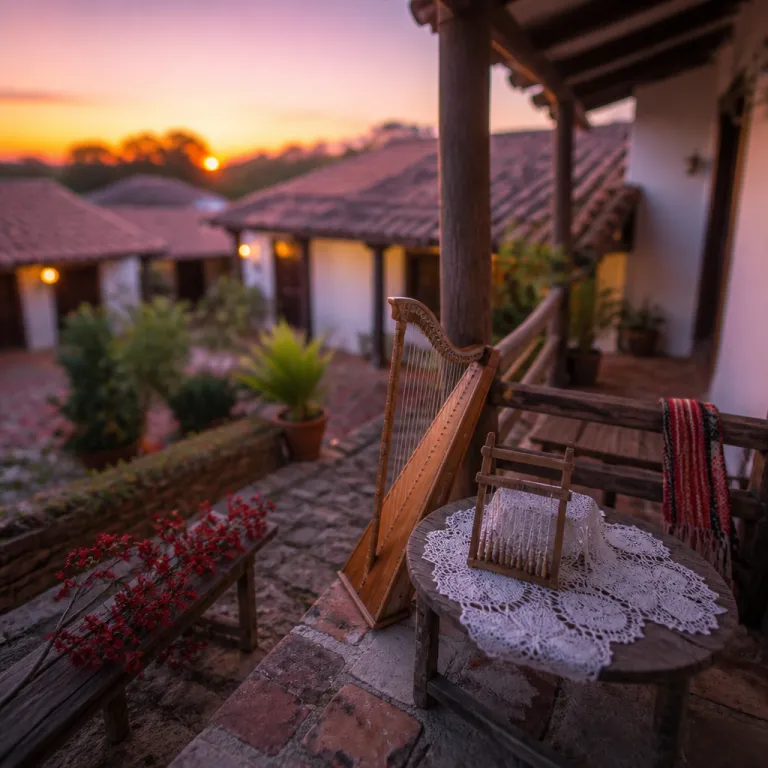
The Paraguayan harp is not background music here ; it is the national instrument and a bridge into Guaraní indigenous memory. In Asunción, luxury hotels along Avenida España and the historic center often host harpists in their lobby bars on weekends, turning pre dinner drinks into intimate paraguay culture guarani experiences. Ask your concierge which evenings feature live harp so you can plan your arrival or spa schedule around the language spoken through those strings.
For a deeper encounter, pair a stay at a premium hotel in Luque or San Lorenzo with a visit to a harp maker’s workshop, where you can study how cedar from local land becomes an instrument. Many of these artisans are Indigenous people or descendants of mixed groups who grew up hearing Guaraní spoken at home and Spanish outside, and their stories trace the history of Guaraní culture in sound. When they explain how Jesuit missionaries encouraged sacred music in Guaraní language during the reductions, you begin to hear every note as part of a wider South American narrative.
Some high end properties in Encarnación and the south will arrange private harp recitals in your suite or on a terrace overlooking the Paraná, creating tailored paraguay culture guarani experiences that feel both refined and grounded. You might share tereré with the musician, listen to jopara lyrics and learn how guaraní official recognition has helped keep this language spoken across Paraguay Guaraní communities. These curated moments show how luxury hotels can honor Indigenous peoples without turning Guaraní indigenous traditions into a staged show for people Guaraní are not directing themselves.
Nandutí lace and ao po’i: meeting the makers, not just the market
In the town of Itauguá, about 30 km from Asunción, nandutí lacework hangs from balconies like delicate suns, and this is where a premium hotel stay becomes a gateway to Guaraní culture in motion. Rather than buying a quick souvenir in a lobby shop, ask your hotel to arrange a guided visit along the Guaraní artisan trail between Asunción and the Missions. You will sit with women who speak Guaraní language at home, switch to Guaraní Spanish with visitors and explain how each pattern encodes Indigenous history.
Ao po’i embroidery, common in the south around Yataity and Villarrica, offers another layer of paraguay culture guarani experiences that hotels can curate with care. Many artisans belong to Indigenous groups or rural communities where Guaraní spoken daily keeps the culture language alive while Spanish Guaraní terms slip into conversation. When you study their stitches and listen to stories about land, seasons and Jesuit influence, you see how Indigenous peoples turned cotton and thread into a quiet archive of South American resilience.
Top tier hotels in Asunción and Encarnación now invite selected guaraní people to host small trunk shows or embroidery demonstrations on site, but the best properties will still encourage you to visit the workshops themselves. They understand that real luxury lies in time spent with Indigenous people, hearing Guaraní spoken over shared tereré rather than in a rushed lobby encounter. When these experiences are framed as respectful meetings between guests and people Guaraní, not as performances, they become some of the most meaningful paraguay culture guarani experiences you will carry home.
Guaraní as a living language: words that open hotel doors
Guaraní is not a museum piece in Paraguay ; it is a language spoken by taxi drivers, CEOs, hotel managers and street vendors across the country. Both Guaraní and Spanish are official languages, and this bilingual reality shapes every aspect of hospitality, from check in to room service. When you learn a few Guaraní language phrases, you signal respect for Indigenous people and unlock warmer paraguay culture guarani experiences in even the most polished properties.
Start with simple words that staff will appreciate, such as “mba’éichapa” for “how are you” and “aguyje” for “thank you,” which you will hear in jopara conversations that mix Guaraní Spanish with standard Spanish. Many urban Paraguay Guaraní speakers glide between these languages without thinking, and your willingness to study even a handful of terms shows that you see Guaraní culture as central, not peripheral. Some hotels now offer short language study cards in rooms, explaining how Guaraní official status reflects centuries of Indigenous resistance to cultural erasure in South America.
In rural estancias and south eastern lodges, you may find that Guaraní spoken among staff is the primary language, with Spanish Guaraní phrases used for guests, and English added in premium properties. Ask if any team member can speak Guaraní slowly with you over breakfast, turning a simple meal into one of your most memorable paraguay culture guarani experiences. When language spoken at your table includes Indigenous peoples’ words for land, rivers and sky, you feel how deeply Guaraní indigenous identity still shapes this South American country.
The Jesuit–Guaraní legacy: missions, reductions and refined stays
South of Asunción, near Encarnación, the ruins of Jesús de Tavarangue and Santísima Trinidad del Paraná tell a layered story of Jesuit missionaries and Guaraní indigenous communities building planned towns together. These missions were not simple outposts ; they were complex social experiments where Guaraní language remained central even as Christianity spread. Walking through the stone arches with a guide who can speak Guaraní and Spanish, you sense how Indigenous peoples negotiated power on this land.
Staying in a luxury hotel in Encarnación allows you to pair daytime visits to the missions with evenings of comfort, creating balanced paraguay culture guarani experiences. Many properties work with local Indigenous people and historians who study the period when Jesuits promoted music, agriculture and education in Guaraní language rather than erasing it. When a guide explains how Guaraní official recognition today echoes those earlier choices, the history of these South American missions feels startlingly contemporary.
Choose hotels that collaborate with community groups descended from guaraní people who once lived in or near the reductions, rather than those offering only generic South American tours. These partners will share stories in Guaraní spoken among elders, translate key phrases into Spanish Guaraní for you and highlight how Indigenous people shaped the architecture you see. Such thoughtful curation turns a standard heritage excursion into one of the most nuanced paraguay culture guarani experiences available to travelers who care about culture language and lived memory.
How luxury hotels curate authentic Guaraní encounters
High end hotels in Paraguay now understand that culturally curious guests are not looking for staged Indigenous dance shows by the pool. They want paraguay culture guarani experiences that feel intimate, unscripted and grounded in respect for Indigenous peoples and their time. The best properties act as discreet brokers, connecting you with guaraní people, artisans and musicians while keeping control in local hands.
When evaluating a hotel, ask how they work with Indigenous groups and whether Guaraní language classes or harp recitals are led by community members who are fairly paid. A credible property will be transparent about which Indigenous people they partner with, how Guaraní spoken traditions are protected and whether activities are taught in schools or community centers as well as in guest spaces. You can also look for programming that acknowledges the role of Jesuit missionaries in the south of the country without romanticizing the impact on Guaraní indigenous communities.
For design focused readers, our guide to interior highlights in Paraguay’s luxury hotels shows how Guaraní culture now informs architecture and art choices. From nandutí panels in lobbies to Guaraní Spanish phrases woven into textile design, these details turn rooms into quiet lessons in culture language. When such aesthetics are paired with staff who speak Guaraní, explain the history of Paraguay Guaraní identity and offer introductions to Indigenous peoples beyond the property, your stay becomes a layered South American journey rather than a simple night’s rest.
Planning your itinerary around Guaraní beauty
To build an itinerary around paraguay culture guarani experiences, think in regions rather than isolated sights. Asunción offers Guaraní language immersion in urban form, with jopara conversations in cafés, harp recitals in hotel bars and easy day trips to nandutí workshops on nearby land. Encarnación and the south add the Jesuit missions, riverside promenades and access to Indigenous groups who still speak Guaraní as their primary language spoken at home.
In the Chaco and northern Paraguay, stays at remote lodges bring you closer to Indigenous peoples beyond the Guaraní, yet Guaraní spoken by staff remains a common bridge language. Here, you will hear a different South American rhythm, where Spanish Guaraní phrases mix with other Indigenous languages and the history of land use feels immediate. Ask your hosts how Guaraní culture interacts with neighboring Indigenous people, and you will gain a more complex view of Paraguay Guaraní identity within wider South America.
Wherever you go, let language guide your choices as much as amenities, because the most rewarding hotels are those where Guaraní official status is visible in signage, menus and staff training. Combine harp evenings, artisan visits and mission tours so that each day balances comfort with contact, turning your trip into a sequence of carefully layered paraguay culture guarani experiences. When you leave with Guaraní words on your tongue and stories from people Guaraní in your notebook, you will understand why this land’s beauty cannot be translated into Spanish alone.
Key figures that frame Guaraní centered travel
- Guaraní and Spanish are both official languages of Paraguay, and surveys consistently show that a majority of the population speaks Guaraní at home, which means most hotel staff can use the language in guest interactions (data reported by Paraguayan linguistic and census authorities).
- Paraguay is one of the few countries in the Americas where an Indigenous language is spoken by more than half of the population, making Guaraní culture uniquely visible in urban and rural hospitality settings compared with other South American destinations (comparative studies by regional language institutes).
- The Jesuit missions of La Santísima Trinidad de Paraná and Jesús de Tavarangue are recognized as UNESCO World Heritage Sites, anchoring cultural itineraries in the south that combine heritage tourism with Guaraní indigenous community visits (UNESCO mission listings and management plans).
- Craft hubs such as Itauguá and Yataity support hundreds of families through nandutí lace and ao po’i embroidery, and many of these artisans identify as Indigenous people or as part of Paraguay Guaraní communities, which strengthens the link between luxury shopping and cultural preservation (figures from Paraguayan cultural and artisan cooperatives).
FAQ about Guaraní cultural experiences in Paraguayan luxury hotels
Can I experience Guaraní culture without speaking the language fluently ?
Yes, you can access rich paraguay culture guarani experiences even with only a few phrases. Many hotel staff speak Guaraní, Spanish and English, and they will gladly help you practice simple greetings or translate more complex conversations. Learning basic words shows respect for Indigenous peoples and often leads to warmer, more personal encounters with guaraní people.
Which regions are best for combining luxury hotels with Guaraní heritage ?
Asunción is ideal for Guaraní language immersion in an urban setting, while Encarnación and the south are best for pairing premium hotels with visits to Jesuit missions and nearby Indigenous groups. The artisan towns of Itauguá and Yataity can be reached comfortably from high end properties in the capital or in the interior. Together, these regions offer a balanced mix of comfort, history and living Guaraní culture.
How can I be sure cultural activities are respectful and not staged ?
Ask your hotel how they work with Indigenous people and whether community members design and lead the activities themselves. Transparent properties will explain how guaraní people are paid, how traditions such as harp music or nandutí making are taught in schools or community centers and how Guaraní spoken practices are protected. If the hotel cannot answer these questions clearly, consider choosing another provider.
Are Guaraní harp performances common in luxury hotels ?
In major cities and some south eastern destinations, many upscale hotels host Paraguayan harp performances in their bars or lounges. These events often feature musicians who grew up with Guaraní language spoken at home and who can explain the history of each piece. For a more intimate experience, ask whether the property can arrange a private recital or a visit to a harp maker’s workshop.
What should I look for when booking a hotel focused on Guaraní experiences ?
Look for properties that highlight Guaraní and Spanish as official languages in their materials, employ staff who speak Guaraní and partner with Indigenous groups for excursions. Signs of genuine commitment include language study cards in rooms, collaborations with local artisans and guides who can speak Guaraní as well as Spanish. These details indicate that your stay will support living Guaraní culture rather than treating it as a decorative theme.